
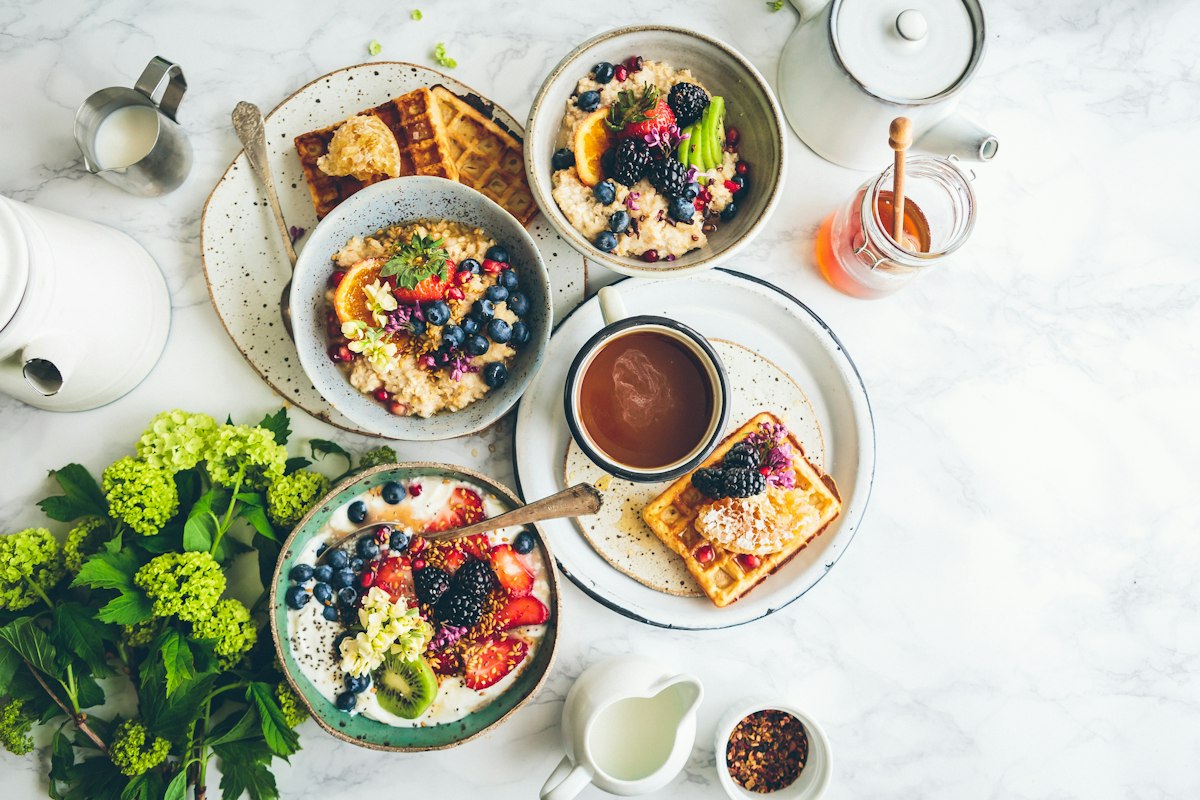
Anyone who has finished a bowl of cereal or a slice of plain toast at eight o'clock and found themselves hunting for a snack by ten has experienced something nutrition writers talk about often: not all breakfasts feel the same hours later. Protein is one of the nutrients most frequently linked with a longer-lasting sense of fullness, which is why high-protein breakfasts keep appearing in magazines, cookbooks and conversations around the office kitchen.
This article is a general look at that idea. It explores why protein is often associated with feeling satisfied, walks through ten breakfast formats that are popular with people who want more of it in the morning, and touches on the practical side of making them work on a weekday. It is written as background reading rather than instruction, and it is not a substitute for advice from a doctor or registered dietitian.
Why protein gets so much attention at breakfast
Protein is one of three main macronutrients, alongside carbohydrate and fat. It is made from amino acids, which the body uses to build and maintain muscle, skin, enzymes and many other tissues. Because the body does not store protein the way it stores fat, nutrition writers often point out that spreading protein across the day, rather than eating most of it at dinner, is a pattern many people find sensible.
Breakfast is where that spreading often breaks down. Traditional morning foods such as pastries, cereal, fruit juice and plain toast are built mostly from carbohydrate. They are quick, familiar and pleasant, but they tend to digest quickly. Protein-containing foods digest more slowly, and many people report that a morning meal containing eggs, dairy or legumes feels more lasting. That experience is the reason the idea is so popular, even though individual responses vary a great deal from one person to the next.
Idea one: eggs in any form
Eggs are the classic protein breakfast, and for good reason. A single large egg contains a useful amount of protein along with fat and a range of vitamins and minerals. Scrambled, boiled, poached, baked into muffin tins or folded into an omelette, eggs are flexible enough to suit nearly any morning.
Many people cook a batch of hard-boiled eggs at the start of the week and keep them in the refrigerator for quick mornings. Others prefer a vegetable scramble that uses up whatever is left in the crisper drawer: spinach, peppers, tomatoes, mushrooms or onions all work. The format is forgiving, which is part of its appeal.
Idea two: Greek yogurt with fruit and seeds
Strained yogurt, often sold as Greek or Icelandic style, is thicker than regular yogurt and generally contains more protein per serving. A bowl topped with berries, a spoonful of seeds and perhaps a drizzle of honey takes only a couple of minutes to assemble.
People who like to prepare ahead sometimes layer yogurt with fruit and oats in a jar the night before. Unsweetened versions give the most control over added sugar, and flavours can be built from fruit, cinnamon or vanilla rather than from the sweetened tubs sold in many shops.
Idea three: cottage cheese bowls
Cottage cheese has had a revival in recent years. It is mild, creamy and high in protein, and it works equally well as a sweet or savoury base. Sweet versions might include pineapple, peaches or berries with a sprinkle of granola. Savoury versions might use sliced tomato, cucumber, black pepper and a drizzle of olive oil.
Texture matters to people's enjoyment here. Some find the curds appealing as they are, while others blend cottage cheese until smooth and use it as a spread or a pancake base. Both approaches are common.
Idea four: overnight oats with added protein
Oats on their own contain a moderate amount of protein, and they supply fibre as well. Overnight oats are made by soaking rolled oats in milk or a milk alternative in the refrigerator, which softens them without cooking. To raise the protein content, people often stir in Greek yogurt, a scoop of protein powder, chia seeds or a spoonful of nut butter.
The appeal is convenience. The jar is prepared the evening before and eaten cold or gently warmed in the morning, with no cooking on a busy day. Toppings such as sliced banana, berries, chopped nuts or cacao nibs keep the flavour interesting from one day to the next.
Idea five: a smoothie built around protein
Smoothies are one of the easiest ways to bring several ingredients into a single glass. A protein-focused version usually starts with a base such as milk, soy milk or kefir, then adds yogurt, silken tofu, nut butter or a scoop of protein powder, plus fruit for flavour and a handful of greens if desired.
Because a smoothie can be drunk on the move, it suits people who commute early or do not feel hungry when they first wake. Products such as protein powders are one option people use for this purpose, though whole-food versions made with yogurt or tofu are just as common. As with any supplement, it is worth checking the label and speaking with a pharmacist or doctor if there are questions about suitability.
Idea six: savoury breakfast burritos or wraps
A wrap filled with scrambled egg, black beans, cheese, peppers and salsa delivers protein from several sources at once. Many people assemble a dozen at a time, wrap them individually and freeze them. A few minutes in the microwave or a quick turn in a pan turns one into a hot breakfast on a morning with no time to cook.
Wholegrain tortillas add fibre, and fillings can be adjusted to taste. Some people swap in tofu scramble, cooked lentils or sautéed mushrooms for a plant-based variation.
Idea seven: peanut or almond butter on wholegrain toast
Nut butters contain protein along with healthy fats, and spread on a slice of wholegrain bread they make a very quick breakfast. A thin layer with sliced banana, a few raspberries or a sprinkle of hemp seeds adds flavour and variety.
This idea suits people who want something simple. It does not contain as much protein as an egg-based breakfast, but pairing it with a glass of milk or a side of yogurt raises the total considerably. Natural nut butters with a short ingredient list are popular with those who prefer to avoid added sugar and oils.
Idea eight: tofu scramble
Tofu scramble is a plant-based answer to scrambled eggs. Firm tofu is crumbled into a pan with turmeric for colour, a pinch of cumin or paprika, a little nutritional yeast for a savoury note, and vegetables such as spinach or tomato. The result is warm, savoury and rich in protein.
For people who avoid eggs for dietary, ethical or allergy reasons, tofu scramble is a familiar and satisfying alternative. It reheats well, so a larger batch can cover several mornings.
Idea nine: smoked salmon and whole-grain crackers
For a slightly more indulgent morning, smoked salmon on rye crispbread or wholegrain crackers with cream cheese, cucumber and a squeeze of lemon offers protein along with omega-3 fatty acids. It is quick to assemble, requires no cooking and feels like a treat on a weekend.
Smoked fish is higher in salt than many other protein foods, so people who watch their sodium intake often enjoy it occasionally rather than daily. Canned salmon or sardines mashed onto toast is another route to a similar flavour.
Idea ten: lentil or chickpea breakfast bowls
Not every breakfast has to look like a traditional one. In many parts of the world, beans and lentils are morning staples. A warm bowl of spiced lentils or chickpeas topped with a soft egg, yogurt and fresh herbs provides protein and plenty of fibre.
The format can be prepared ahead in large batches. Cooked legumes keep for several days in the refrigerator, and they pair well with whole grains, roasted vegetables and a flavourful sauce.
Making it work on a real weekday
Knowing about high-protein breakfasts is one thing; eating one at 7:15 on a Wednesday is another. People who manage it regularly tend to describe a few shared habits. They often decide on two or three go-to breakfasts rather than trying something new each day, because repetition lowers the effort involved. They prepare components in advance, such as boiled eggs, cooked grains or portioned yogurt jars, on a weekend afternoon. And they keep staples on hand, like oats, tinned beans, frozen berries and eggs, so that a reasonable meal can always be pulled together from the cupboard.
Variety matters as well. Eating the same thing every day can become tedious, so rotating three or four options keeps interest high. Seasonal fruit, different spices and changes in texture all help.
Pairing protein with fibre and colour
Many nutrition writers note that a satisfying breakfast is rarely about protein alone. Fibre from oats, berries, beans, seeds or whole-grain bread slows digestion further and adds bulk to the meal, while colourful fruit and vegetables bring vitamins, minerals and plant compounds. A bowl of yogurt with berries and chia seeds, or a vegetable omelette with a slice of rye toast, shows how a single plate can bring several of these elements together without much extra effort.
Fat plays a supporting role too. Nuts, seeds, avocado and olive oil add flavour and contribute to the feeling that a meal has finished properly. Few people enjoy a breakfast that is technically balanced but dry and joyless, so taste and texture are part of the picture just as much as nutrients.
What a sample week can look like
To make the ideas more concrete, here is an example of how someone might rotate through them without repeating the same meal too often. This is only an illustration of variety, not a prescribed plan:
- Monday: vegetable scramble with a slice of wholegrain toast
- Tuesday: Greek yogurt with berries, pumpkin seeds and a drizzle of honey
- Wednesday: overnight oats made with milk, chia seeds and a spoonful of nut butter
- Thursday: breakfast burrito pulled from the freezer, with fresh salsa
- Friday: cottage cheese bowl with pineapple and toasted coconut
- Saturday: smoked salmon on rye with cucumber and lemon
- Sunday: a slower tofu scramble or lentil bowl with a soft egg
Rotating in this way keeps the week interesting, spreads different protein sources across several days and means the shopping list stays short and predictable.
Common questions people raise
A few questions come up again and again when the topic of high-protein breakfasts is discussed. One is whether skipping breakfast is acceptable. Eating patterns vary widely, and some people are simply not hungry in the morning. What matters to most nutrition professionals is the overall pattern of the day rather than a single meal, so there is no universal rule about eating first thing.
Another is whether protein powder is necessary. It is not; plenty of people reach their intake through ordinary foods. Powders are one convenient format among many, and they tend to appeal to those who want something portable. A third question concerns children and older adults, whose needs differ from those of healthy adults. For those groups in particular, a family doctor or dietitian is the right source of personalised information.
A note on amounts and individual needs
How much protein a person needs depends on age, body size, activity level, health status and other factors. General public-health guidance exists for each country, and a registered dietitian can offer a personal view. Some people, including those with kidney conditions, are advised to monitor protein carefully, so it is wise to talk with a healthcare provider before making large changes.
It is also worth remembering that breakfast is only one part of the day. A varied diet that includes vegetables, fruit, whole grains, healthy fats and protein from several sources across meals is the pattern most often described in general nutrition guidance. A single high-protein breakfast is not a cure for anything; it is simply one pleasant way to start the day.
Bringing it together
Protein-rich breakfasts do not have to be elaborate. Eggs, yogurt, cottage cheese, oats, wraps, tofu, fish and legumes each offer a different route to a more filling morning meal. The common thread is that these foods are familiar, flexible and easy to prepare in advance.
If the idea appeals, a gentle way to explore it is to choose one of the ten ideas above and try it on a quiet morning, noticing how it feels and whether it fits the rest of the day. Over time, those small observations tend to be more useful than any rule. And as always, anyone with a medical condition, allergy or specific dietary requirement should speak with a qualified professional before changing what they eat.
This article is for general information only and isn’t medical advice. Talk to a doctor or registered dietitian before making changes to your diet, especially if you have a health condition or take medication.