
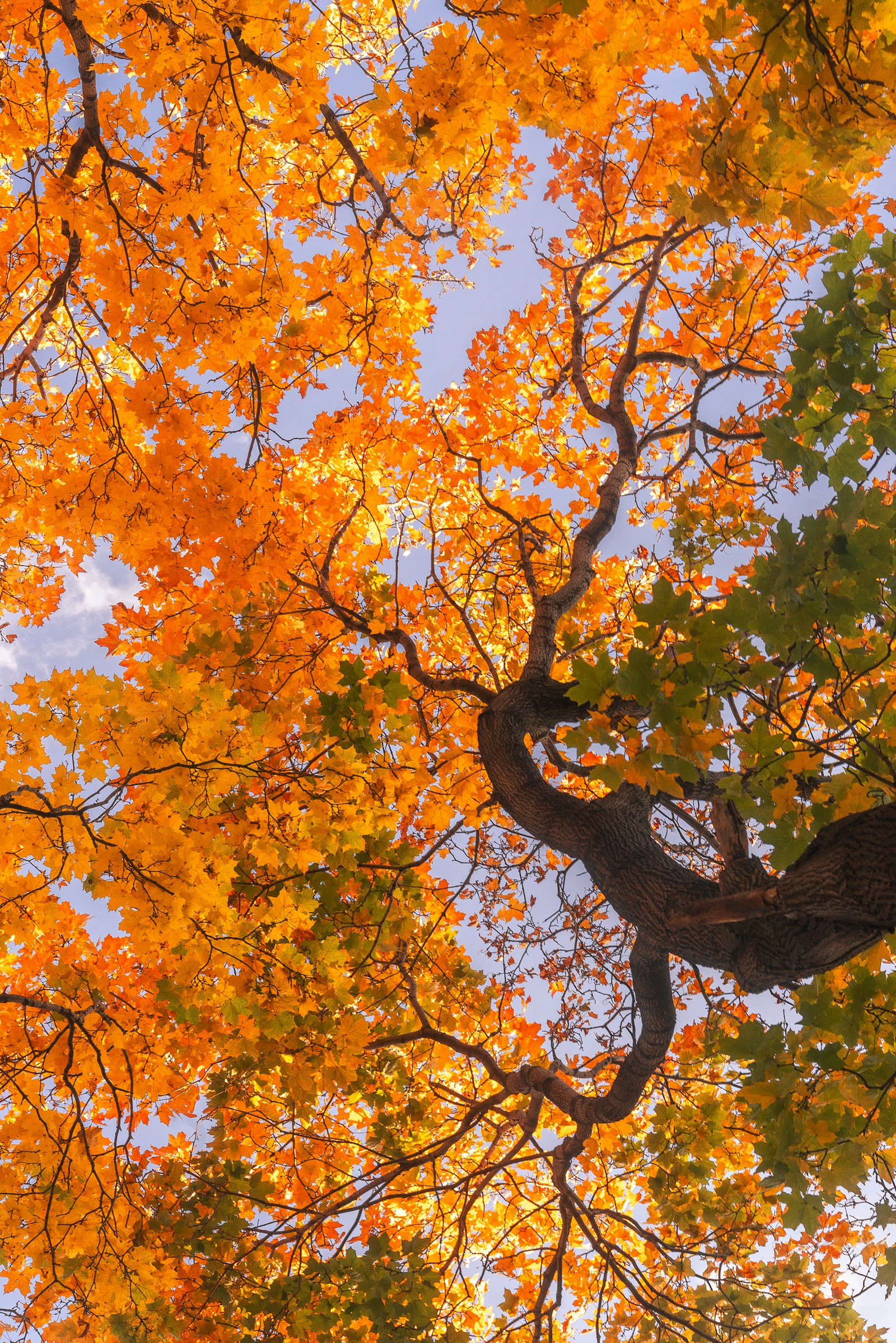
Most wellness advice is delivered as though every day of the year were the same. Wake at the same time, eat the same meals, exercise at the same hour. Yet anyone who lives somewhere with distinct seasons knows that January and July feel like different worlds. Daylight, temperature, appetite, energy and mood all shift, and it can feel natural to adjust routines to match.
This article offers a general look at seasonal self-care. It explains why the seasons influence the body and mind, then walks through spring, summer, autumn and winter, touching on food, movement, sleep and rest. It is informational reading, not medical advice. People who experience persistent low mood, particularly in a seasonal pattern, should speak with a doctor.
Why seasons matter
The most obvious change is light. Day length varies throughout the year, especially away from the equator, and light is a primary signal for the body clock. Shorter, darker days in winter can influence sleep timing, energy and mood, while long summer evenings invite activity and later bedtimes.
Temperature, weather and the availability of food also shift. Historically, human communities adapted to the rhythms of planting, harvest and scarcity. Modern life, with heating, lighting and supermarkets, softens those cycles but does not remove them entirely, and many people still feel the pull of the seasons.
Seasonal mood changes
Some people notice a dip in energy and mood during the darker months. For a smaller group, these changes are severe enough to be diagnosed as seasonal affective disorder, a form of depression with a seasonal pattern. Symptoms can include low mood, loss of interest, oversleeping, craving carbohydrates and difficulty concentrating.
Treatments exist, including light therapy, talking therapies and sometimes medication, and a doctor can advise. For milder seasonal shifts, many people find that daylight exposure, activity, social contact and a consistent routine help.
Spring
Spring brings longer days, rising temperatures and a feeling of renewal. Many people feel inspired to clear out their homes, spend more time outdoors and try new activities. It can also be a time of seasonal allergies, which affect many people and can interfere with sleep and energy.
Food in spring turns toward fresh greens, asparagus, peas, radishes, herbs and early fruit, though the details depend on the region. Lighter meals and salads become more appealing as the weather warms. Movement often increases naturally, with walking, cycling and gardening. People return to outdoor exercise, and a gradual increase in intensity is kinder to muscles and joints that have been less active over winter.
Spring is also a convenient moment for gentle habit reviews: what from the winter routine still serves, and what no longer does?
Summer
Summer offers long days, warmth and abundant produce. Berries, tomatoes, courgettes, stone fruits, corn and salad leaves fill markets, and many people eat more raw and lightly cooked food. Hydration becomes more important in hot weather, and sun protection is essential, including shade, clothing, hats and sunscreen according to local guidance.
Sleep can suffer in the heat and with light evenings. Cool bedrooms, fans, lighter bedding and blackout curtains are common tools. Exercise often moves to early morning or evening to avoid the hottest hours, and swimming offers a pleasant way to move.
Summer is also a season of holidays and changed routines. Allowing flexibility, while keeping a few anchors such as regular meals and a reasonable bedtime, helps people feel settled.
Autumn
Autumn is a season of transition. Days shorten, temperatures fall and schedules often become more structured as schools and workplaces resume. Many people experience a sense of fresh starts in September, even long after leaving education.
Food moves toward squash, apples, pears, root vegetables, mushrooms and warming spices. Soups, stews and roasted dishes return. This is a good moment for batch cooking and meal planning, since busier schedules often coincide with cooler weather. Immune-supporting habits, such as handwashing, adequate sleep and balanced eating, receive attention as colds and flu start to circulate. Vaccinations recommended by health authorities are worth discussing with a doctor or pharmacist.
Autumn light is beautiful but fading, and making time for outdoor walks while it is still bright can help maintain the habit of daylight exposure.
Winter
Winter calls for a different approach. Cold, dark days encourage people to slow down, and some listen to that instinct by prioritising rest, warmth and comfort. Others find that they have to work harder to stay active and connected.
Food tends toward warming dishes such as soups, stews, porridge, roasted vegetables, legumes and hot drinks. Vitamin D, produced in the skin from sunlight, can be harder to come by in winter at higher latitudes, and health authorities in some countries recommend considering supplements during the darker months. A pharmacist or doctor can advise on whether this applies to an individual.
Movement may shift indoors, with swimming, yoga, home workouts, gym sessions or brisk walks in the middle of the day. Layered clothing and good footwear make winter walks more enjoyable. Light exposure is particularly valuable, and many people try to get outside at midday, even briefly, or sit near a bright window.
Social connection matters, too. Winter can be isolating, and making plans with friends and family, joining groups or phoning someone regularly offers warmth that no heating system provides.
Adjusting sleep with the seasons
Many people notice that they sleep a little longer in winter and a little less in summer, which reflects the influence of light on the body clock. Keeping wake-up times reasonably regular and using light intentionally supports sleep: bright light in the morning, dim light in the evening.
In winter, a sunrise-simulating alarm or a lightbox, used according to instructions and with medical advice for those with eye conditions or mood concerns, helps some people. In summer, blackout blinds and cool rooms help the body wind down despite late sunsets.
Seasonal food and eating patterns
Eating with the seasons is popular for several reasons. Produce that is in season is often fresher and more flavourful, and it connects meals to the calendar. Frozen and canned produce provide good options out of season, and they are nutritious and convenient.
Appetite itself can shift, with heartier meals in cold weather and lighter ones in heat. Neither is wrong. A varied diet with plenty of plants, regardless of the season, is the consistent theme in health guidance.
Rest, hobbies and the inner calendar
Beyond the physical, the seasons offer a framework for rhythms of effort and rest. Winter evenings suit reading, crafts, cooking and board games, while summer invites picnics, swimming and gardening. Some people choose a hobby for each season, or mark transitions with small rituals such as a first fire of the autumn, a spring clean or a midsummer picnic.
These rituals provide a sense of continuity and meaning, and they remind people that cycles of energy and rest are natural.
Allergies, colds and the changing weather
Each season brings its own health considerations. Spring and summer bring pollen, which can cause hay fever, with sneezing, itchy eyes and tiredness. Autumn and winter bring respiratory infections, which spread more easily when people spend time together indoors. Pharmacists can suggest options for common symptoms, and a doctor can help with persistent or severe ones.
Simple measures include washing hands, ventilating rooms, keeping up with recommended vaccinations and resting when unwell. These habits are not tied to a single season, but they feel more pressing when the weather turns.
Skin and hair through the year
Skin responds to the seasons too. Cold air and indoor heating dry the skin, so heavier moisturisers and lip balms become popular in winter. In summer, sun protection and lighter products take priority, and sweat and humidity change how skin feels. Dermatologists recommend sun protection throughout the year in many climates, since ultraviolet radiation is present even when it is cloudy.
People with skin conditions such as eczema often notice seasonal flares and may adjust their routines in discussion with a doctor or dermatologist.
Seasonal budgets of time and energy
Some seasons are busier than others. Many people find that the end of the year is crowded with deadlines and social events, while late summer is quiet. Recognising these patterns in advance allows for sensible planning, such as preparing meals ahead for a busy December or protecting time for rest after a demanding spring.
Giving oneself permission to do less when energy is low and more when it is high is a form of kindness that many people find helpful. It acknowledges that human energy is not constant and that fluctuation is normal.
Travelling between seasons and climates
Travel can move a person from winter to summer in a matter of hours, which challenges the body. Jet lag, changes in temperature and different foods can all contribute to tiredness. Adjusting sleep gradually where possible, staying hydrated, using daylight to reset the body clock and taking things gently for a day or two are common suggestions.
A simple seasonal check-in
At the turn of each season, some people sit down for a few minutes and ask themselves a handful of questions. How have my energy and mood been? What am I eating, and does it suit the weather? How much am I moving, and where? How is my sleep? What would feel supportive for the coming months? Writing a few notes provides a reference for next year and a chance to adjust habits before they drift. The check-in does not need to be formal, and it can be as simple as a cup of tea and a notebook.
Movement through the year
Exercise habits are among the first things to change with the seasons. Spring and summer invite hiking, cycling, swimming, running and team sports, while autumn and winter encourage indoor options. Having a flexible menu of activities makes it easier to stay moving. Someone who loves cycling in July might switch to a spin class or swimming in January, and someone who runs outdoors in winter may need reflective gear and a headlamp for early darkness.
Weather safety is part of the picture. Heat calls for water, shade and rest, while ice and snow call for appropriate footwear and attention to surfaces. Warm-ups are particularly valuable in cold weather, when muscles feel stiff. Anyone with a heart or lung condition, or who is unsure about exercising in extreme weather, can ask a doctor for guidance.
Hydration and warmth
Thirst signals are strongest in summer, but hydration matters year-round. Heated indoor air can be dry, and winter exercise still causes sweat. Warm drinks, soups and herbal teas contribute to fluid intake in winter, while cold water, fruit and salads do the same in summer. Many people keep a bottle on the desk through the year and swap iced drinks for hot ones as the weather changes.
Home and environment
Self-care extends to the spaces people live in. In winter, warm lighting, blankets, plants and good ventilation make homes cosier and healthier. In summer, opening windows early and late, using shade and reducing heat sources keeps rooms comfortable. Decluttering with the seasons, such as a spring tidy or an autumn sort-out of winter clothes, offers a sense of freshness.
Time outdoors can be woven into every season: a winter walk in the low sun, a spring visit to a park, a summer evening on a balcony or an autumn trip to see the leaves. Even a few minutes of daylight contributes to the body clock and mood.
Staying flexible and kind to yourself
Seasonal self-care works well when it is gentle. Some weeks will not match the plan, and life will interrupt. A cold, a hectic work period or a family event can all disrupt routines, and that is acceptable. The aim is not to follow a calendar perfectly but to stay in tune with what each time of year asks. Treating the changes as natural and forgiving oneself for slow weeks allows habits to return when circumstances ease.
Bringing it together
Seasonal self-care is less about rules and more about attentiveness. Light, temperature, appetite and energy shift through the year, and many people feel better when their routines flex with them: lighter, more active habits in spring and summer, and cosier, more restful ones in autumn and winter. Daylight, movement, balanced food, sleep and connection remain constant themes across seasons. For anyone whose mood or health changes significantly with the seasons, a doctor can offer proper assessment and support.
This article is for general information only and isn’t medical advice. Talk to a doctor or registered dietitian before making changes to your diet, especially if you have a health condition or take medication.