
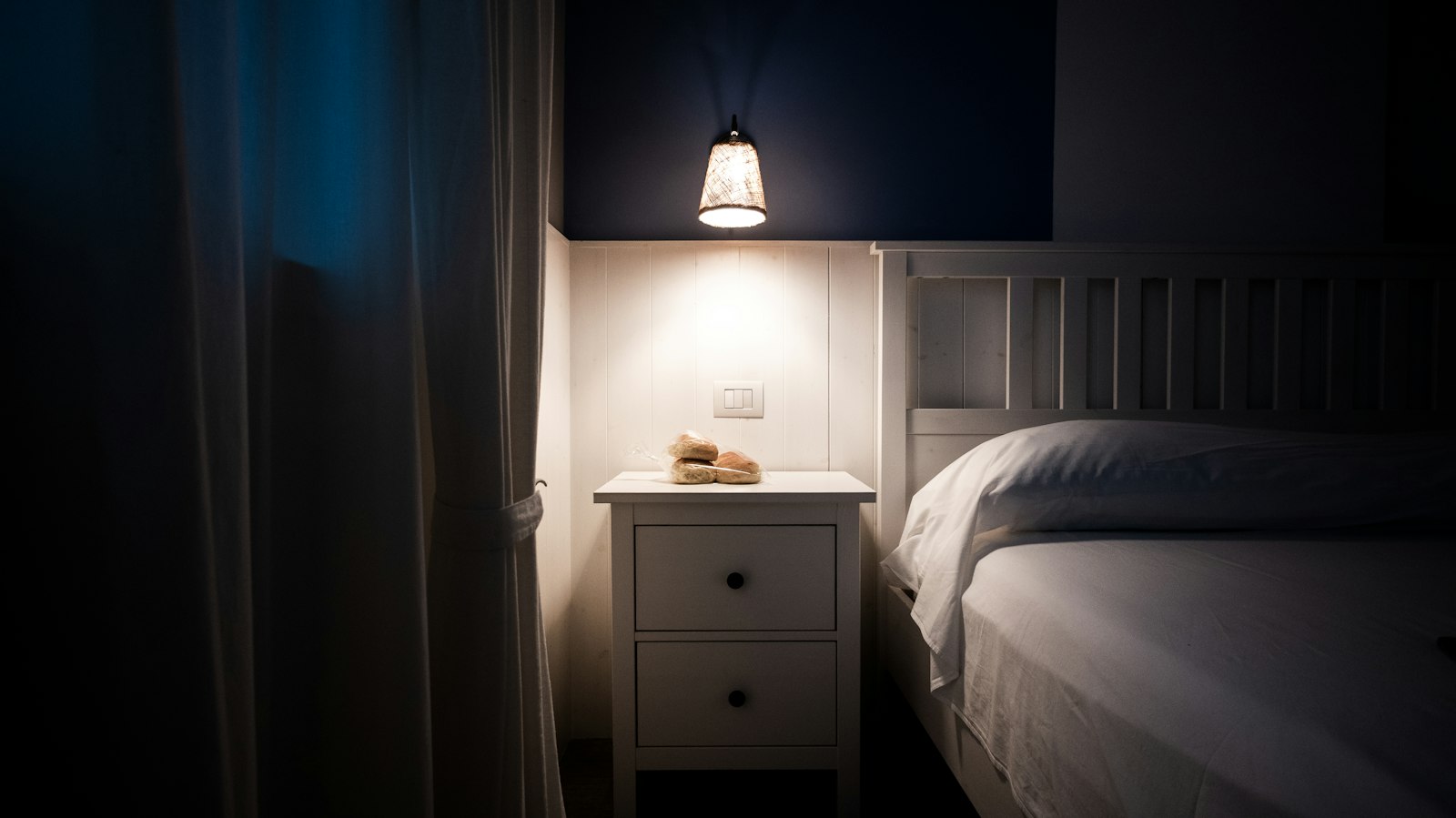
Sleep occupies roughly a third of a human life, yet it is still one of the most mysterious things the body does. Researchers continue to uncover how sleep helps the brain sort memories, how hormones are released at night and why a poor night can leave the whole of the next day feeling off. Alongside that curiosity runs a very practical question: does what we eat and drink affect how well we sleep?
This article gives a general overview of what is known and what remains uncertain. It describes how sleep is organised, looks at the timing and content of meals, discusses caffeine, alcohol and a few nutrients that are often mentioned, and ends with some reminders about the limits of nutrition. It is informational, not medical advice, and people who struggle with sleep should speak to a doctor.
How sleep is organised
Sleep is not a uniform state. It moves through stages in cycles of around ninety minutes. Light sleep leads into deeper sleep, which is thought to be important for physical restoration, and then into REM sleep, when most vivid dreaming occurs and the brain is highly active. A typical night involves several of these cycles, with deep sleep concentrated early on and REM sleep lengthening toward morning.
Two main systems govern when people sleep. The circadian rhythm is an internal clock of roughly twenty-four hours, influenced strongly by light. Sleep pressure builds the longer a person stays awake, partly through the accumulation of a chemical called adenosine. Good sleep occurs when these two systems line up.
Why researchers study food and sleep together
Food and sleep share several biological pathways. Meals influence body temperature, blood sugar and hormones such as insulin, which in turn interact with the circadian clock. Some nutrients are involved in producing neurotransmitters linked to sleep, such as serotonin and melatonin. The gut and brain also communicate extensively.
At the same time, sleep affects food. Studies have shown that short sleep is associated with increased appetite and stronger cravings for energy-dense food the next day. This two-way relationship makes it challenging to untangle cause and effect, which is why headlines about miracle foods for sleep deserve caution.
The timing of meals
Many people notice that a very large or rich meal close to bedtime leaves them uncomfortable, with reflux, heartburn or a heavy feeling. Sleep researchers often suggest allowing a gap of a few hours between a main meal and lying down, although individual patterns vary. Going to bed very hungry can also be disruptive for some people, and a small snack may feel comfortable.
Regular mealtimes help set the body clock, and some research on meal timing suggests that eating at irregular hours or late at night may affect circadian rhythm and metabolism. This is an active area of study, and the findings are not yet definitive.
Caffeine
Caffeine is the most widely consumed stimulant in the world. It works by blocking adenosine receptors, which delays the feeling of sleepiness. The effect can last for many hours, since caffeine has a half-life of around five to six hours in healthy adults, although this differs a lot between individuals and is influenced by genetics, medications and pregnancy.
People who are sensitive often find that coffee, tea, cola, energy drinks or chocolate in the afternoon makes it harder to fall asleep or lowers sleep quality. Some choose to finish caffeine by early afternoon, and others switch to decaffeinated or herbal drinks later in the day. Individual experience is a useful guide.
Alcohol
Alcohol can make people feel drowsy, and some use it to unwind. Research indicates, however, that alcohol interferes with sleep architecture, reducing REM sleep in the first half of the night and often causing fragmented sleep and early waking in the second half. It can also worsen snoring and breathing problems during sleep.
Many sleep specialists therefore describe alcohol as a poor sleep aid, even when it seems to help with falling asleep. People who drink often notice more restful nights without alcohol.
Carbohydrates, protein and fat
Several small studies have looked at the effect of macronutrients on sleep, with mixed results. Some have suggested that diets higher in fibre and lower in saturated fat and sugar are associated with deeper sleep, while others found that high-sugar eating was linked to lighter, more disrupted sleep. Associations do not prove cause, and individual responses vary.
The idea that carbohydrates in the evening help with sleep is common in popular writing. One theory proposes that carbohydrate influences the availability of tryptophan, an amino acid used to make serotonin and melatonin. The evidence remains inconclusive, so rather than a rule, it is thought of as an idea under study.
Tryptophan and melatonin in foods
Tryptophan is found in protein foods such as turkey, chicken, eggs, dairy, nuts, seeds and tofu. The body uses it to build serotonin and melatonin, but eating a tryptophan-rich food does not directly produce sleepiness, since many other amino acids compete to enter the brain.
Small amounts of melatonin are found in foods such as tart cherries, nuts, eggs and fish. Research on tart cherry juice and sleep has been small and limited, and no food has been proven to act as a sleeping pill. Many people simply enjoy a light evening snack as part of a calming routine.
Magnesium, vitamins and minerals
Magnesium is a mineral involved in hundreds of processes in the body, including muscle relaxation and nerve function. Some studies have explored whether magnesium supplements affect sleep, particularly in older adults, with modest and mixed findings. Foods rich in magnesium include leafy greens, nuts, seeds, legumes, whole grains and dark chocolate.
Other nutrients sometimes mentioned in relation to sleep include vitamin D, iron, B vitamins, zinc and calcium. Deficiencies can contribute to problems, such as restless legs in iron deficiency, but supplements are not appropriate for everyone, and blood tests and professional advice are the way to find out.
Hydration and bathroom trips
Fluid intake in the evening is a practical consideration. Drinking a lot just before bed can lead to night-time trips to the bathroom, which fragments sleep. Many people shift most of their fluids earlier in the day and sip lightly in the evening. Being thirsty or having a dry mouth can also wake people, so a small glass of water by the bed is a common compromise.
Spicy, fatty and acidic foods
Foods that trigger reflux, such as spicy dishes, fried foods, tomato-based sauces, citrus and chocolate, may disturb people prone to heartburn, particularly when eaten late. Raising the head of the bed and avoiding lying flat after eating are standard suggestions from doctors. People who have frequent reflux should seek medical advice rather than relying on self-management.
The bigger picture
Nutrition is only one piece. Light exposure, regular sleep and wake times, physical activity, stress, medications, mental health, the sleeping environment and medical conditions such as sleep apnoea all play major roles. A cool, dark, quiet bedroom, a wind-down period without screens and a consistent schedule are widely discussed by sleep specialists as foundations.
It is easy to look for a food-based solution when sleep is poor, but persistent insomnia, loud snoring with pauses in breathing, excessive daytime sleepiness or restless legs are medical issues worth discussing with a doctor.
Evening drinks people reach for
Warm drinks have a long tradition as bedtime companions. Warm milk, herbal teas such as chamomile, lavender or peppermint, and decaffeinated drinks are common choices. Some people attribute calming effects to them, while others value the ritual of making and sipping a warm cup, which signals the end of the day.
Research on chamomile and other herbal teas has produced small and inconsistent findings, so they are seen as pleasant additions to a routine rather than treatments. Herbal products can interact with medications, and pregnant women or people with allergies should check with a doctor or pharmacist before trying a new herb.
Shift work and irregular schedules
People who work nights or rotating shifts face particular challenges, since meals and sleep move against the natural rhythm. Researchers have studied whether eating at certain times, or choosing lighter meals during the night shift, helps with digestion and alertness. Common suggestions include having a main meal before the shift, keeping snacks small and light, managing caffeine so that it stops several hours before planned sleep and keeping the sleep environment dark and quiet.
Occupational health services and doctors can offer more tailored suggestions for people in these situations.
Children, teenagers and older adults
Sleep needs and patterns change throughout life. Children generally need more sleep than adults and often benefit from consistent routines, calm evenings and limited sugary or caffeinated drinks late in the day. Teenagers experience a natural shift to later sleeping times, which clashes with early school starts, and energy drinks can worsen the picture.
Older adults often sleep more lightly and wake more often. Medications, health conditions and reduced activity can all contribute. In each group, a doctor can look at the whole picture, including diet.
Small experiments people try
Rather than overhauling their diet, many people approach food and sleep as a series of small experiments. They might move the last coffee earlier, eat dinner a little sooner, swap a late-night sweet snack for fruit or yogurt, or notice how a glass of wine changes the night. Keeping a simple log of meals, caffeine and sleep quality for a couple of weeks can reveal personal patterns.
These experiments are not certain to change anything, but they put information in the person's hands and can make conversations with a doctor more productive.
A sample evening for sleep-friendly eating
Pulling these threads together, here is an illustration of how someone interested in the nutrition side of sleep might arrange an evening. It is an example of the ideas above, not a prescription:
- Finish caffeinated drinks by early afternoon and switch to water or herbal tea
- Eat the main meal a few hours before bed, built around vegetables, whole grains and a protein food
- Keep alcohol modest, and notice how it feels the next morning
- Have a light snack, such as yogurt with fruit or a slice of wholegrain toast with nut butter, if hunger would otherwise keep you awake
- Sip fluids lightly in the last hour or two to limit night-time bathroom trips
- Finish the evening with a warm drink and a screen-free wind-down
Individual routines differ widely, and the pattern that works for one person may not suit another.
Research limits worth remembering
Much of the research on diet and sleep is based on short studies, small groups or self-reported sleep, which can be inaccurate. Sleep laboratories provide precise measurements but are artificial settings. Observational studies spot associations but cannot show that one thing caused another. For this reason, most scientists describe the field as promising yet unfinished, and they caution against absolute claims.
When reading articles about sleep and food, it helps to look for qualifiers such as "may", "is associated with" and "in some studies". Those words are not signs of weakness; they are signs of honest science.
Practical notes on sleep hygiene
Alongside nutrition, sleep specialists commonly refer to sleep hygiene, a set of habits that support rest. These include keeping a regular schedule, exposing yourself to daylight in the morning, being physically active during the day, keeping the bedroom cool, dark and quiet, using the bed mainly for sleep, and limiting screens before bedtime. Food habits slot into this broader picture rather than standing alone.
If someone has tried these steps for several weeks without improvement, or if sleeplessness is accompanied by low mood, anxiety or physical symptoms, a conversation with a doctor is the logical next step. Effective treatments exist for many sleep problems, including cognitive behavioural therapy for insomnia, which has strong evidence behind it.
Bringing it together
The relationship between food and sleep is real but nuanced. Meal timing, caffeine, alcohol and overall dietary patterns appear to influence rest, while claims about individual foods and supplements are often stronger than the evidence. A balanced diet, regular meals, sensible caffeine habits and moderate alcohol are consistent themes. Because every person is different, and because sleep problems can have many causes, personal advice from a doctor or sleep specialist is the most reliable route.
This article is for general information only and isn’t medical advice. Talk to a doctor or registered dietitian before making changes to your diet, especially if you have a health condition or take medication.