
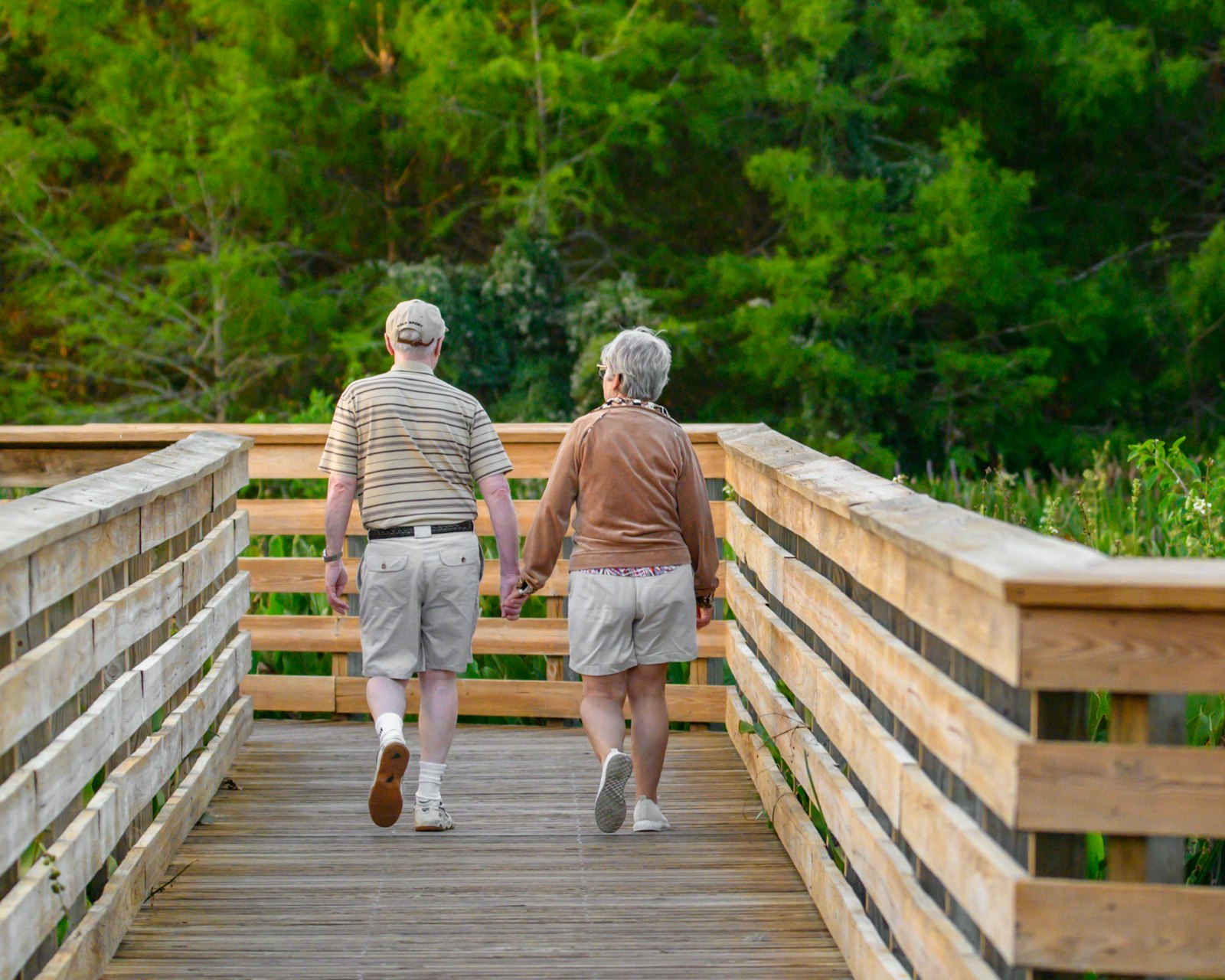
Movement and joints have a complicated relationship. Staying active is widely described as good for the body, yet jumping, pounding and twisting can leave knees, hips and ankles feeling sore. For people who are older, recovering from injury, carrying extra weight or simply living with stiff joints, the question is not whether to move but how.
This article offers a general introduction to low-impact exercise. It explains what the term means, describes common activities, discusses strength and flexibility work and covers a few ideas about pacing and comfort. It is informational only. Anyone with arthritis, a past injury or ongoing joint pain should speak with a doctor or physiotherapist before starting an exercise routine.
What low-impact means
Impact refers to the force that travels through the body when it hits the ground or when a movement is sudden. Running and jumping produce high impact, because both feet leave the ground and land again with force. Low-impact activities keep at least one foot on the floor, or take place in water or on a bike, so that the joints experience less jolting.
Low-impact does not mean low-effort. A brisk swim, a hill walk or a challenging cycling session can raise the heart rate considerably. The term simply describes how much stress passes through joints and connective tissue, not how hard the person is working.
Why joints appreciate movement
Joints are designed to move. Cartilage, the smooth tissue covering bone ends, receives nutrients through the movement of joint fluid, and regular gentle motion helps that fluid circulate. Muscles around the joint act as shock absorbers and stabilisers, so strong, flexible muscles can ease the load.
Many health organisations encourage people with joint concerns to remain active rather than rest completely, since long periods of inactivity can lead to stiffness and weakness. The right type and amount of activity varies, and professional advice is the usual way to find it.
Walking
Walking is the most accessible low-impact activity. It requires no equipment beyond comfortable shoes, it can be done almost anywhere and its intensity can be adjusted by changing pace, distance and terrain. Flat paths, tracks and soft surfaces are generally kinder than hard pavements.
People often build up gradually, starting with ten or fifteen minutes and extending as comfort allows. Walking poles, supportive footwear and cushioned insoles are sometimes used. Treadmills and indoor tracks offer a controlled environment in bad weather.
Swimming and water exercise
Water supports body weight, which dramatically reduces the load on joints. Swimming, aqua aerobics, water walking and gentle movements in a warm pool are widely recommended for people who find land exercise uncomfortable. The resistance of water also builds muscle without weights.
Warm-water pools are often favoured for stiffness, as the warmth relaxes muscles. Many leisure centres run classes designed for older adults or people with arthritis, and instructors can show suitable movements. Anyone who is not a confident swimmer can use shallow areas or flotation aids.
Cycling
Cycling is low-impact because the body is supported by the saddle, and the pedalling motion is smooth. Outdoor cycling, stationary bikes and recumbent bikes, which have a reclined seat and back support, all offer options. A well-adjusted saddle height is important, since a saddle that is too low can strain the knees.
Gears or resistance settings allow intensity to be changed, and many people begin with short, easy sessions. Electric-assist bikes help riders manage hills and distance and are popular with those returning to activity.
Elliptical trainers and rowing machines
Gym machines such as elliptical trainers move the legs in a smooth, gliding pattern with no foot strike, which makes them gentler than treadmills. Rowing machines work the legs, back and arms in a seated position, offering a full-body session without impact, though technique matters to protect the lower back.
Both machines are common in gyms and sometimes available for home use. Staff can usually explain settings and recommend starting times.
Yoga, tai chi and gentle mobility work
Yoga and tai chi blend slow, controlled movement with balance and breath. Many studios offer gentle or chair-based versions that keep the joints in comfortable ranges. Tai chi, a flowing practice from China, is often recommended for older adults because it improves balance while placing little stress on joints.
Mobility routines, which involve moving joints through their natural range, can be done daily for a few minutes. Examples include ankle circles, knee extensions, hip swings, shoulder rolls and gentle neck movements.
Strength training with joint care
Muscles that surround the joints help to support and protect them. Strength training, which may involve bodyweight, bands, light weights or machines, is commonly recommended for people with joint concerns, because stronger muscles can share the load. Examples include sit-to-stand movements from a chair, wall push-ups, glute bridges, seated leg extensions and step-ups on a low step.
Controlled tempo, a comfortable range of motion and sensible loads reduce the chance of aggravating a joint. A physiotherapist or qualified trainer can tailor exercises to specific needs and show correct technique.
Balance and stability
Balance exercises reduce the risk of falls and keep the small stabilising muscles working. Standing on one leg while holding a counter, walking heel to toe and shifting weight from side to side are common examples. Tai chi and yoga also train balance.
These exercises need only a few minutes a day, and they can be done while brushing teeth or waiting for the kettle. Safety is important, so a sturdy support nearby is advisable.
Warm-ups and cool-downs
Joints tend to feel stiffer when cold. A warm-up of five to ten minutes, with easy movement such as marching in place, arm circles or gentle cycling, raises temperature and prepares the body. A cool-down with slow walking and light stretching afterwards helps ease out of exercise.
Some people find a warm shower or heat pack helpful before activity, while others use a cold pack after, if swelling is an issue. Individual preferences vary, and a healthcare professional can offer tailored suggestions.
Pacing and listening to the body
A common piece of advice is to distinguish between muscle fatigue, which is a normal result of effort, and sharp or lingering joint pain, which is a warning. Mild soreness that eases within a day is typical when starting something new. Pain that worsens during activity, causes swelling or lasts for days suggests the load was too much.
Pacing means spreading activity through the week, alternating harder and easier days and building up slowly. Rest days are part of the plan, and so is flexibility: on a stiff morning, a gentler option can replace the original.
Everyday movement counts too
Not all useful movement is formal exercise. Gardening, housework, playing with grandchildren, taking the stairs and walking to the shops all contribute. Breaking up long periods of sitting with short walks or stretches helps joints stay mobile, and many people set reminders to stand every half hour or so.
Equipment and footwear
Good shoes matter for any activity that involves standing and walking. Many people choose footwear with cushioned soles, a roomy toe box and good arch support, and replace them when the cushioning is worn. Some visit a specialist running or walking shop to be fitted. Orthotic insoles, prescribed by a podiatrist, are used by people with specific foot problems.
Other helpful items include a non-slip exercise mat, resistance bands, light dumbbells, a sturdy chair for support and a foam roller for gentle muscle release. Knee supports and braces are sometimes used, and it is wise to ask a doctor or physiotherapist whether they are appropriate before relying on them.
Eating for joint comfort
Nutrition is a frequent topic in discussions about joints, and it is also a place where marketing outpaces evidence. General healthy-eating patterns, such as the Mediterranean-style diet with plenty of vegetables, fruit, whole grains, legumes, fish and olive oil, are often mentioned by health organisations. Maintaining a comfortable body weight reduces the load on weight-bearing joints.
Supplements marketed for joints, including glucosamine, chondroitin, turmeric, collagen and omega-3, have been studied with mixed results. Anyone interested should speak with a doctor or pharmacist, especially if they take medication, since some products interact with blood thinners and other drugs.
Sleep, stress and pain
Pain and sleep influence each other. Discomfort can make it harder to sleep, and poor sleep can make pain feel worse. Stress also tightens muscles and heightens the perception of pain. Gentle exercise, relaxation techniques, regular sleep routines and warm baths are among the strategies people use to ease this cycle.
Persistent pain is a complex experience, and pain specialists often take a broad view that includes physical, emotional and social factors. People living with long-term pain may find it helpful to discuss a plan with their healthcare team.
Making it social and enjoyable
Exercise tends to stick when it is pleasant. Walking groups, water aerobics classes, tai chi in the park and cycling clubs offer company and routine. Many community centres run group sessions designed for older adults or people with joint concerns.
Listening to music or podcasts while walking, exploring new routes and tracking small improvements, like a longer walk than last month, add a sense of enjoyment and achievement that keeps people coming back.
When to see a professional
Some symptoms merit medical attention rather than self-management. These include sudden severe joint pain, a hot, swollen or red joint, inability to bear weight, locking or giving way of a joint, numbness or tingling, or pain that wakes you at night. A doctor can arrange examinations and refer to a physiotherapist, rheumatologist or orthopaedic specialist where needed.
A sample gentle week
To make the ideas concrete, here is an illustration of how someone with sensitive joints might spread activity through a week. It is only an example of variety and pacing, not a recommendation for any individual:
- Monday: a twenty-minute walk on a flat path followed by five minutes of gentle stretching
- Tuesday: a warm-water exercise class or a relaxed swim
- Wednesday: a short strength session with sit-to-stands, wall push-ups and glute bridges
- Thursday: rest, or a few minutes of mobility work while the kettle boils
- Friday: a stationary bike ride at an easy pace
- Saturday: a longer, relaxed walk with a friend or a tai chi class
- Sunday: rest, gentle stretching or gardening
Many people find that having a few options for each day means they can swap activities according to how their joints feel that morning.
Exercise in different weather and seasons
Cold weather can make joints feel stiffer, and many people notice more aching on chilly, damp days. Longer warm-ups, layers of clothing and indoor alternatives such as swimming pools, shopping-centre walking or exercise videos help. Hot weather brings its own considerations, such as hydration and avoiding the midday sun. Having a menu of indoor and outdoor options keeps the routine going through the year.
Using technology and community resources
Step counters and fitness watches can show progress and offer reminders, though they should be a support rather than a source of pressure. Local councils, libraries and community centres often publish timetables of low-cost classes, walking groups and swimming sessions. Health services in many countries offer exercise referral schemes in which a doctor refers a patient to a supervised programme. Asking at a surgery or community centre can open up options that are not well advertised.
Changing expectations kindly
Stiffness, aches and fluctuating energy are part of life for many people, and an exercise routine that respects them is more sustainable than one that ignores them. Good days and bad days will both occur. Rather than aiming for a fixed target, many people set a minimum, such as ten minutes of something, and treat anything beyond that as a bonus. Over months, this flexibility keeps the habit alive, and the sense of staying connected to their body is often as valued as any physical change.
Bringing it together
Low-impact exercise offers many ways to stay active without placing heavy stress on joints. Walking, swimming, cycling, gentle machines, yoga, tai chi and carefully chosen strength work each have a place, and the right choice is usually the one that feels comfortable and enjoyable. Starting slowly, warming up, pacing effort and getting guidance from a doctor or physiotherapist when joints are painful are sensible foundations for a routine that can last.
This article is for general information only and isn’t medical advice. Talk to a doctor or registered dietitian before making changes to your diet, especially if you have a health condition or take medication.