
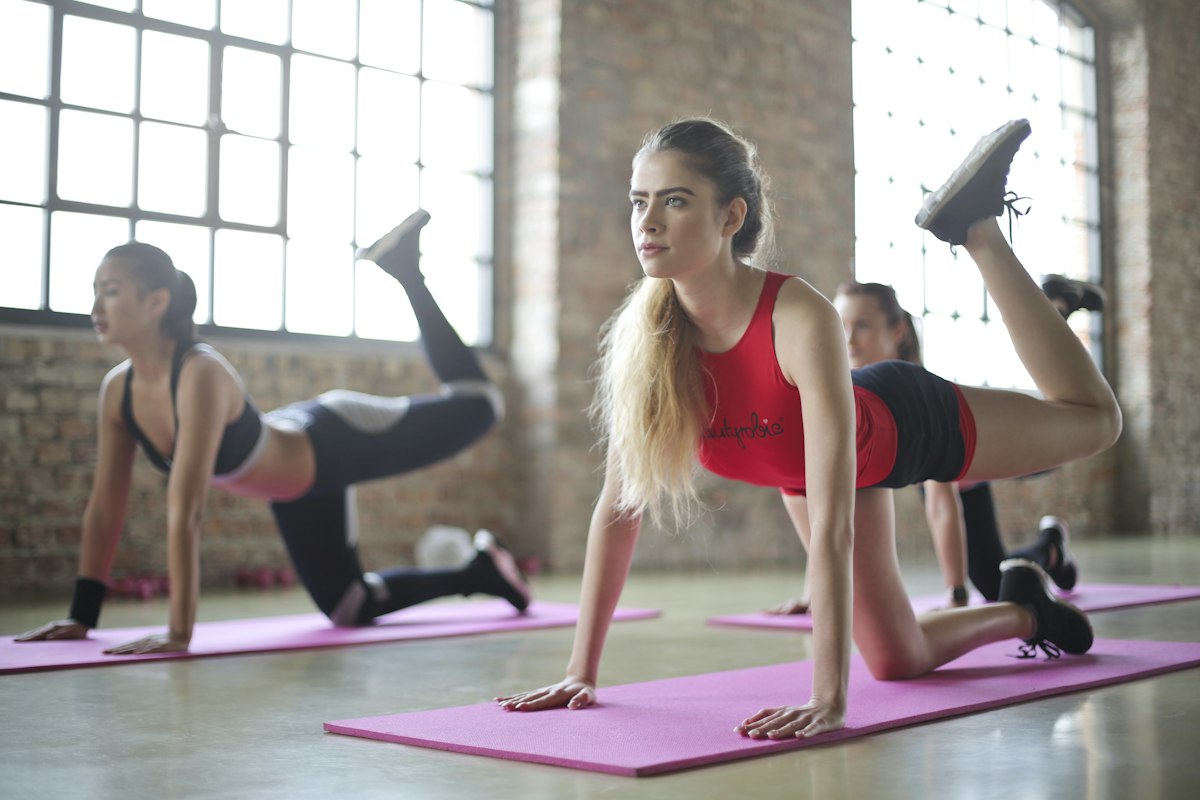
A gym membership is not the only route to regular exercise. Many people prefer to move at home, whether because of schedules, travel time, privacy or personal preference. The challenge is often space. A studio apartment or a shared bedroom does not have room for a rack of weights, and the idea of a home gym can feel like a luxury reserved for people with garages.
This article is a general look at how people set up small exercise spaces. It covers the minimum that is actually useful, popular pieces of equipment, how to make a corner flexible, the main styles of workout that suit small rooms and some safety considerations. It is background reading, not a personal fitness prescription, and anyone with health concerns should speak to a doctor before starting a new routine.
How much space is really needed
A surprising number of exercises require little more than the footprint of a yoga mat. Lying flat with arms outstretched, a person needs roughly two metres by one. Stepping into a lunge needs a similar length. Many apartment dwellers simply push a sofa aside, or use the floor between the bed and the wall.
Ceiling height matters for overhead movements, and noise matters for jumping, particularly in buildings with neighbours below. Quiet, low-impact alternatives exist for nearly every movement, which is part of why home routines suit shared buildings.
The simplest start: bodyweight
Bodyweight exercises are the foundation of most small-space routines. Squats, lunges, push-ups, planks, glute bridges, step-ups, mountain climbers and dips from a sturdy chair all use no equipment. Variations adjust difficulty, such as push-ups on the knees or against a wall for beginners and slower tempos or single-leg versions for those who want more challenge.
Because they require no setup, bodyweight sessions are easy to repeat anywhere, including hotel rooms. Many fitness professionals describe them as a sensible way for newcomers to learn movement patterns before adding load.
A mat and some comfort
A good exercise mat is probably the single most useful purchase. It cushions the knees and spine for floor work, provides grip and defines a space. Thicker mats are comfortable for joints, while thinner ones give more stability for balance.
Other comfort items include supportive shoes for impact exercises, a towel for sweat and a small fan or open window. A water bottle within reach completes the setup.
Resistance bands
Resistance bands are lightweight and endlessly adaptable. They come as loops, tubes with handles, flat strips or mini bands worn around the thighs. They add resistance to squats, rows, presses, curls and lateral walks, and they store in a drawer.
Bands provide increasing tension as they stretch, which feels different from free weights. Many physiotherapists use them in rehabilitation because they are gentle on joints and easy to adjust. Checking them regularly for cracks and anchoring them securely reduces the risk of snapping.
Dumbbells and kettlebells
Adjustable dumbbells let one pair stand in for a whole rack, with dials or pins that change the weight in seconds. They occupy about the space of a shoebox. Kettlebells, with their offset handles, are favoured for swings, goblet squats and carrying movements, and a single bell can offer a full workout.
For beginners, lighter weights allow practice of form, and many people increase load gradually as they feel steady. Reading instructions from reputable sources or consulting a trainer helps with technique, since poor form is a common cause of strain.
Pull-up bars and suspension trainers
For upper-body pulling, which is hard to replicate with floor exercises, two items stand out. A doorway pull-up bar fits inside a frame without tools, though it must be installed according to the manufacturer's instructions and used on sturdy door frames. A suspension trainer, with straps anchored to a door or beam, allows rows, push-ups and core work with adjustable difficulty.
Both items pack down small, and they open up possibilities that would otherwise require a gym. Weight limits and proper anchoring matter for safety.
Cardio at home
Cardiovascular exercise can be done in small rooms too. Marching on the spot, step-ups on a low stair, shadow boxing, skipping and dance workouts raise the heart rate without much space. Compact items such as a jump rope or a folding step are popular. Some people have a small stationary bike or a foldable treadmill, though these take up more room.
Apartment-friendly cardio often favours low-impact moves such as fast walking in place, side steps and punches, which are kinder to joints and quieter for neighbours.
Flexibility and mobility
A balanced routine includes stretching and mobility work. Foam rollers, massage balls and stretching straps help people release tension and increase range of motion. Yoga and pilates sessions, available through classes or videos, need only a mat and share the same space as strength work.
Many people end a workout with a few minutes of stretching, and some begin with dynamic warm-up movements such as arm circles and leg swings.
Organising a flexible corner
Small-space gyms rely on smart storage. Wall hooks hold bands and ropes. A shelf or basket keeps weights tidy. A vertical stand or a slim cabinet stores the mat, foam roller and yoga blocks. Some people use a fold-down bench or a storage ottoman that doubles as a bench.
The aim is to make equipment easy to retrieve and easy to put away, because a visible mess can become a reason to skip a session. A clear spot that can be set up in a minute helps routine stick.
Workout styles for small rooms
Several formats suit limited space. Circuit training moves through a series of exercises with little rest. Interval sessions alternate short bursts of effort with recovery. Strength routines focus on a few compound movements. Pilates and yoga emphasise control and flexibility. Many online platforms offer guided sessions in each style, ranging from ten minutes to an hour.
Choosing a style that feels enjoyable matters more than choosing the theoretically ideal one. People tend to keep doing activities they like.
Safety at home
Exercising without a coach or a gym floor requires some self-awareness. Clearing the area of obstacles, ensuring the floor is not slippery, wearing appropriate shoes and warming up are basics. Starting at an easy intensity and increasing gradually helps avoid overuse injuries.
People who experience chest pain, dizziness, unusual shortness of breath or sharp joint pain should stop and seek medical advice. Pregnant women, people with chronic conditions or those recovering from injury should check with a healthcare professional about suitable activities.
Keeping motivation high
Without a gym environment, motivation comes from other sources. Scheduling sessions in a calendar, exercising with a friend over a video call, following an online series or keeping a simple log can all help. Music and a good playlist change the atmosphere remarkably.
Rest days are part of the plan, too. Muscles adapt during recovery, and a rhythm of activity and rest, such as three or four sessions a week, is common among people who maintain routines for a long time.
An example weekly rhythm
To visualise how these pieces come together, here is an illustration of how someone with limited space and time might arrange a week. It is an example of structure, not a prescription:
- Monday: thirty minutes of bodyweight strength with squats, lunges, push-ups and planks
- Tuesday: a brisk walk outdoors or a short low-impact cardio video
- Wednesday: resistance band session focused on back, shoulders and legs
- Thursday: rest or gentle stretching
- Friday: dumbbell circuit with five or six exercises, repeated three times
- Saturday: yoga or mobility session followed by a longer walk
- Sunday: rest
Many people adjust such a structure around work, family and energy levels, and it is common to miss a session without any lasting effect.
Warm-ups and cool-downs
A short warm-up prepares the body for effort. Common elements include marching in place, arm circles, hip circles, gentle squats and shoulder rolls, performed for five minutes or so. A cool-down might include slow walking and static stretches for the major muscle groups, held for about thirty seconds each.
These bookends are easy to skip when time is short, but they add comfort and give the mind a clear signal that the session is starting and ending. In a small apartment, where the line between exercise and daily life is blurry, such signals can be especially helpful.
Noise, neighbours and flooring
In multi-storey buildings, noise travels. Exercise mats and interlocking foam tiles absorb impact and reduce sound. Low-impact variations of jumping moves, such as stepping back instead of jumping into a lunge, keep sessions quiet. Scheduling louder workouts at a time that suits neighbours is a courtesy many people adopt.
Floors matter too. Hard floors are tough on joints, while carpet can make balance trickier. A good mat, or a combination of mat and shoes, offers a middle ground.
Tracking progress at home
Without a gym trainer, a simple notebook helps record what was done and how it felt. Notes might include repetitions, weights, minutes and a mood rating. Over weeks, the log shows patterns, such as which days feel strongest, and it gives a sense of progress that is not tied to appearance.
Some people prefer to measure progress by function, for example noticing that stairs feel easier or that carrying shopping is less tiring. These observations are personal and valid.
When to consider professional input
A few sessions with a qualified personal trainer or physiotherapist, in person or online, can set a solid foundation. They can check technique, suggest exercises for particular goals and adapt routines for old injuries. This is particularly worthwhile for anyone who has experienced pain with exercise or who has not been active for a long time.
Choosing equipment wisely
When setting up a home space, it is easy to over-buy. Many experienced home exercisers suggest starting with a mat and a set of bands, then adding items only when a clear need appears. Secondhand marketplaces, community groups and sales often offer gently used dumbbells and kettlebells. Checking reviews, weight limits and return policies helps avoid disappointment, and buying one piece at a time shows what actually gets used.
Making the space feel good
Atmosphere matters. Good lighting, a bit of fresh air, a plant in the corner and a playlist can make a cramped spot feel inviting. Mirrors, even a small one, help with checking form. Some people leave the mat unrolled in a visible place as a prompt, while others prefer to store everything neatly and unroll it when needed.
Exercising with others at home
Home workouts do not have to be solitary. Partners, housemates and children can join in, whether through a shared video, a friendly challenge or a weekend family session in the living room. Remote friends can meet on a video call and exercise simultaneously, which adds accountability and fun.
A note on pacing and progression
Fitness writers often describe progression as small and steady. Adding a few repetitions, a slightly heavier weight or an extra set from one week to the next gives the body time to adapt. Rapid jumps in intensity are a common cause of sore joints and lost enthusiasm. At home, where no trainer is watching, building in an easy week every month or so offers a natural pause. Enjoyment, rather than punishment, is a good sign that the pace is right.
Small habits that keep a home routine going
Home exercisers often mention tiny habits that prevent drift. Changing into workout clothes straight after work removes a barrier, and filling a water bottle in advance saves a step. Choosing a fixed time, even just three days a week, turns the session into a routine rather than a decision. Keeping a short, easy workout in reserve for tired evenings means the habit survives difficult days. And celebrating small milestones, like the first month of regular sessions, adds a feeling of accomplishment that sustains motivation without any need for external rewards.
Bringing it together
A home gym does not have to be a room. It can be a mat, a set of bands, a pair of adjustable dumbbells and a corner of floor that appears for thirty minutes and disappears afterward. The principles are consistent: start with movements that feel comfortable, add equipment gradually, keep safety in mind and choose activities that are enjoyable. For personal guidance on intensity, injuries or health conditions, a doctor, physiotherapist or qualified trainer is the right resource.
This article is for general information only and isn’t medical advice. Talk to a doctor or registered dietitian before making changes to your diet, especially if you have a health condition or take medication.