
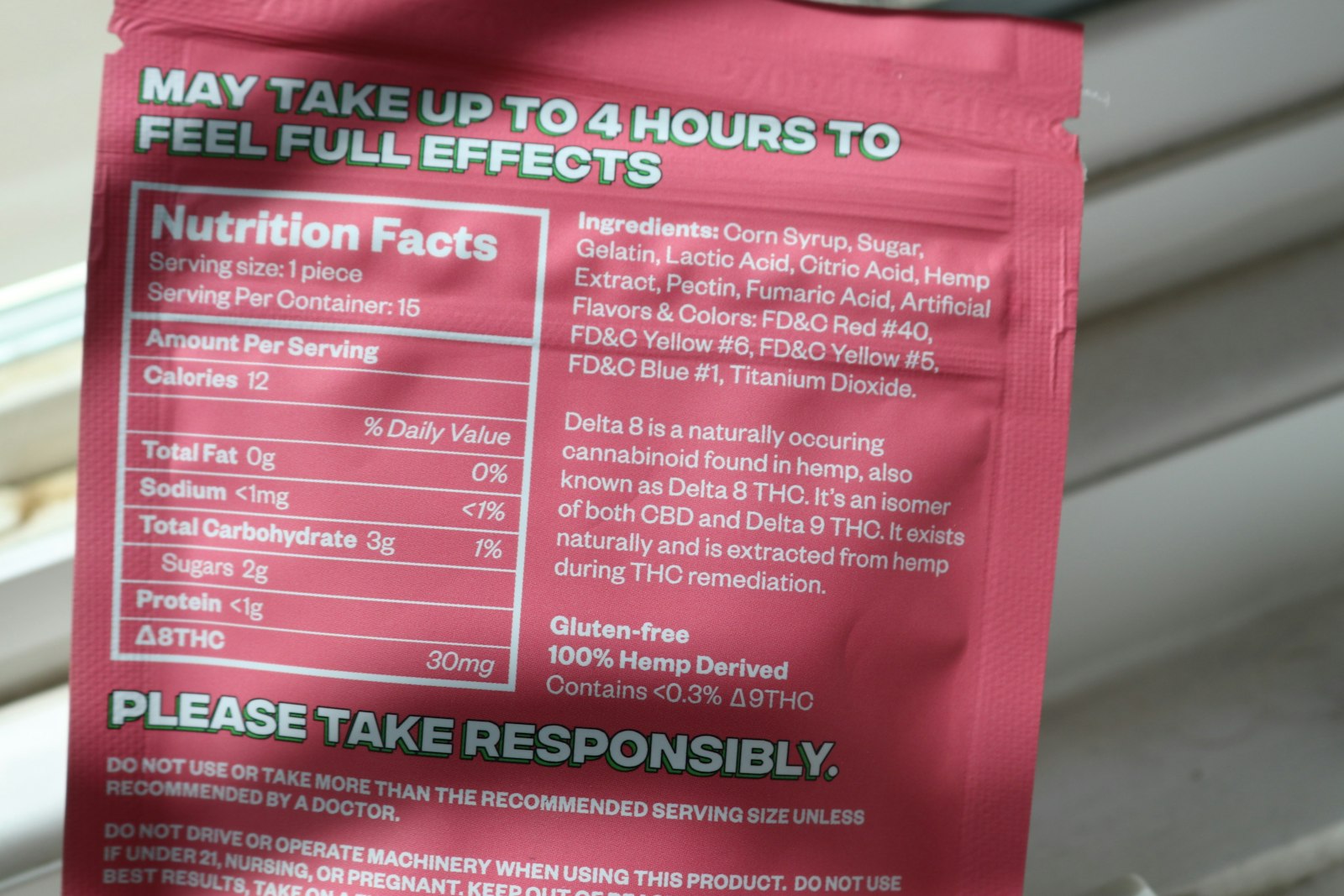
Nutrition labels are among the most useful and most overlooked tools available to anyone who buys packaged food. They sit on the back of nearly every box, can, bottle and packet, offering a standardised snapshot of what is inside. Yet the panel can look like a wall of small numbers, and the front of the packet is often louder and more persuasive than the back.
This article is a general walkthrough of how labels are organised, with a focus on the United States style of nutrition facts panel and the ingredient list. It explains each section, clarifies terms that often confuse shoppers and mentions what dietitians tend to look at first. It is informational reading, not personal nutrition advice.
Why labels exist
Governments require nutrition labelling so that people can make informed choices about what they eat. The rules vary between countries, and the details change over time, but the idea is consistent: a standard format lets people look at one product, and then another, using the same layout. Labelling is also meant to help people who manage particular health needs, such as allergies, diabetes or high blood pressure, to read what a product contains.
Labels are only one source of information, and they describe packaged food at a given point in time. They do not say whether a food is right for a particular person, only what it contains per serving.
Start with the serving size
Dietitians often begin at the top of the panel, with the serving size and the number of servings per container. Every number below it refers to that serving, not the entire package. A bottle that appears to be a single drink may in fact hold two or more servings, in which case drinking the whole thing means doubling every figure on the panel.
Serving sizes are set by regulation based on the amounts people typically eat, and they may not match what any individual actually consumes. Noticing the difference between the labelled serving and a real portion is a basic but valuable step.
Calories
Calories, listed in large type, measure the energy a serving provides. The number is a useful reference, but it says nothing about the quality of the food. A serving of nuts and a serving of sweets may contain similar calories while offering very different nutrients.
Energy needs vary widely depending on age, size, activity and other factors. General reference diets, such as the commonly quoted two-thousand-calorie diet, are used on labels as a standard for percentages, not as a personal target.
Total fat, saturated fat and trans fat
Fat is split into types. Saturated fat, found in butter, cheese, fatty meat and coconut or palm oil, is usually discussed in terms of limiting. Trans fat, mainly from partially hydrogenated oils, has been largely phased out in many countries, though small amounts can still appear in some products. Unsaturated fats, found in olive oil, nuts, seeds and fish, are often described as the more favourable type and may not be separately listed.
Fat is not a villain, since the body needs it, and different foods fit into different categories. Reading the numbers is a way to notice patterns across a day, not a way to judge a single product as good or bad.
Cholesterol and sodium
Cholesterol appears in animal foods, and its listing helps people who have been given dietary advice on it by a doctor. Sodium, the main component of salt, is of particular interest to those watching blood pressure. Packaged and restaurant foods contribute a large share of sodium in many diets, and some products, such as soups, sauces, bread and processed meats, can be surprisingly salty.
Looking at sodium per serving, and checking it against the daily reference, offers a sense of how a food contributes. Rinsing canned beans and vegetables is one common practice to reduce the amount.
Carbohydrates, fibre and sugars
The carbohydrate section includes total carbohydrates, dietary fibre and total sugars, with a separate line for added sugars. Fibre is a type of carbohydrate that the body does not fully digest, and foods with a higher fibre content, such as whole grains, beans, fruit and vegetables, tend to be associated with feeling full for longer.
Total sugars include both those naturally present, such as lactose in milk or fructose in fruit, and sugars added during processing. The added sugars line is particularly useful because it separates the two. Health organisations often suggest limiting added sugar, and the percentage of the daily reference gives context.
Protein
Protein is listed in grams, and sometimes with a percentage. Dietitians often note that the amount of protein per serving is useful when thinking about meals and snacks, particularly for people who are active or whose appetite is small. Protein quality, meaning the amino acid pattern, is not shown on the panel, but the ingredient list gives clues about the source.
Vitamins and minerals
The label lists certain vitamins and minerals, including vitamin D, calcium, iron and potassium, because they are nutrients that many people do not get enough of. Other micronutrients appear only if the product is fortified or makes a claim about them.
The numbers are shown as amounts and percentages of daily value. A food with a high percentage is not necessarily a more rounded food overall, but the figures help people looking for particular nutrients.
Understanding percent daily value
The percent daily value column shows how much a serving contributes to the daily reference amount for each nutrient. A common rule of thumb is that five percent or less is considered low and twenty percent or more is considered high. This makes it easier to scan, since people can quickly see whether a food is high in sodium or high in fibre without memorising gram amounts.
Because the daily values are based on a general reference diet, they do not apply perfectly to everyone. Children, athletes, pregnant women and people with medical conditions have different needs.
The ingredient list
The ingredient list is ordered by weight, from the largest to the smallest. This means the first few items make up most of the product. A cereal with sugar as the first ingredient is quite different from one that begins with whole oats.
Long lists with unfamiliar names are not automatically a cause for concern, since many ingredients are vitamins, emulsifiers or natural extracts with chemical names. But a short list of recognisable foods is often easier to understand. Allergens, such as milk, eggs, peanuts, tree nuts, wheat, soy, fish, shellfish and sesame, are usually highlighted in bold or in a separate statement.
Terms on the front of the packet
Front-of-pack claims such as "natural", "light", "low fat", "high fibre" or "no added sugar" are regulated to varying degrees. "Natural" is often loosely defined, while terms such as "low sodium" or "reduced fat" have specific meanings in many countries. Turning the packet over and checking the panel puts a claim in context.
Pictures and phrases such as "made with real fruit" or "wholesome" are marketing, not promises of nutritional content. The label on the back is the more reliable reference.
Putting it all together
When people with training in nutrition read a label, they rarely examine every line. They usually check the serving size, scan for added sugars, sodium, saturated fat and fibre, and glance at the ingredient list. Depending on the person, they might also look for protein or specific vitamins. The aim is to build a picture of how the product fits into the day, not to pass a pass-or-fail test.
Labels on supplements
Dietary supplements carry a different kind of label, usually titled supplement facts. It lists serving size, the amount of each ingredient per serving and the percent daily value where one has been set. Below it, "other ingredients" cover binders, fillers, flavours and capsule materials. Proprietary blends may list a combined weight without breaking down each component.
Supplements are regulated differently from foods and medicines in many countries, so claims on the packaging deserve a careful reading. A pharmacist can explain unfamiliar ingredients, check for interactions with medication and say whether a product suits a particular situation.
Common label mix-ups
Several misunderstandings come up repeatedly. People sometimes read the calories for a single serving and forget that the package holds several. They may see "0 g trans fat" and assume none is present, when regulations in some countries allow rounding down small amounts. They may take "sugar-free" to mean carbohydrate-free, though many such products contain starches or sugar alcohols. And they may treat "gluten-free" as a synonym for healthy, when it simply means the product avoids gluten.
Being aware of these quirks makes labels a more reliable source. When a figure looks surprising, rereading the serving size is often the first step.
Labels in restaurants and fresh foods
Not every food has a label. Fresh fruit, vegetables, bakery items and many restaurant dishes carry no panel at all. In some countries, larger chains must display calories on menus, and many offer nutrition information online. For unpackaged food, people often rely on general knowledge, portion cues or reference databases.
This is a reminder that labels are only one part of the picture. Eating more whole foods, which do not need labels, is a pattern that dietitians frequently describe as simple and flexible.
Teaching label reading to children and teenagers
Younger people often enjoy a game-like introduction to labels. Parents sometimes ask children to find the serving size on a cereal box, the first ingredient on a snack bar or the amount of sugar in a bottle of juice. The goal is curiosity and awareness, not worry, and it is kept light-hearted.
Teenagers who are beginning to buy their own food benefit from knowing how to find basic information quickly. A balanced approach avoids turning every packet into a source of anxiety, which can be particularly sensitive for people vulnerable to disordered eating.
Reading numbers sensibly
Labels allow people to look at the numbers on one product at a time and to understand a single food on its own terms. It helps to remember that the figures describe equal servings only when the serving sizes match, so a quick glance at the serving size is worthwhile before drawing any conclusions. Per-hundred-gram columns, which appear on labels in many countries, offer an easy way to read figures on a consistent basis, since the weight is always the same.
A few habits that make label reading easier
People who read labels regularly tend to settle on a short routine. They look at the serving size, scan for the nutrients of interest to them, and glance at the first few ingredients. They do not feel obliged to analyse every line of every packet. Over time, familiarity with common foods grows, and the habit takes seconds. Tools that scan barcodes exist, but a basic understanding of the panel makes any tool more useful.
Where labels fall short
Labels cannot describe how a food is grown, how fresh it is, how it tastes or how it fits a person's culture and preferences. They do not tell anyone whether a food is suitable for a particular condition, nor do they replace professional advice. They are a snapshot and a starting point, which is how most dietitians treat them.
Allergen and dietary statements
Many labels carry statements about allergens, such as "contains milk and soy" or "may contain traces of nuts". The first kind is required in many countries, while the second is voluntary and relates to shared equipment. People with allergies often read every label on every purchase, even for foods they have bought many times, because manufacturers occasionally change recipes. Statements such as "vegan", "vegetarian" or "gluten-free" follow different rules in different places, and certification marks can offer extra reassurance.
Why a little curiosity goes a long way
Reading labels is not about suspicion of food companies or about perfection. It is a small act of curiosity that lets people notice what is on their plate. Some discover that a breakfast cereal contains more sugar than expected, while others find that a favourite soup is a good source of fibre. Both discoveries are useful, and neither requires dramatic changes. Over time, the habit builds a mental library of familiar products, which makes everyday shopping quicker and more relaxed, and which supports whatever dietary goals a person has chosen with their healthcare team.
Bringing it together
Nutrition labels are a standard, practical tool. Learning where to find the serving size, the key nutrients and the ingredients makes shopping more informative without turning it into an exercise in anxiety. Labels vary by country, and anyone with a medical condition, allergy or special dietary requirement should rely on guidance from a doctor or registered dietitian. For everyone else, a few extra seconds with the back of the packet is a small but useful habit.
This article is for general information only and isn’t medical advice. Talk to a doctor or registered dietitian before making changes to your diet, especially if you have a health condition or take medication.