
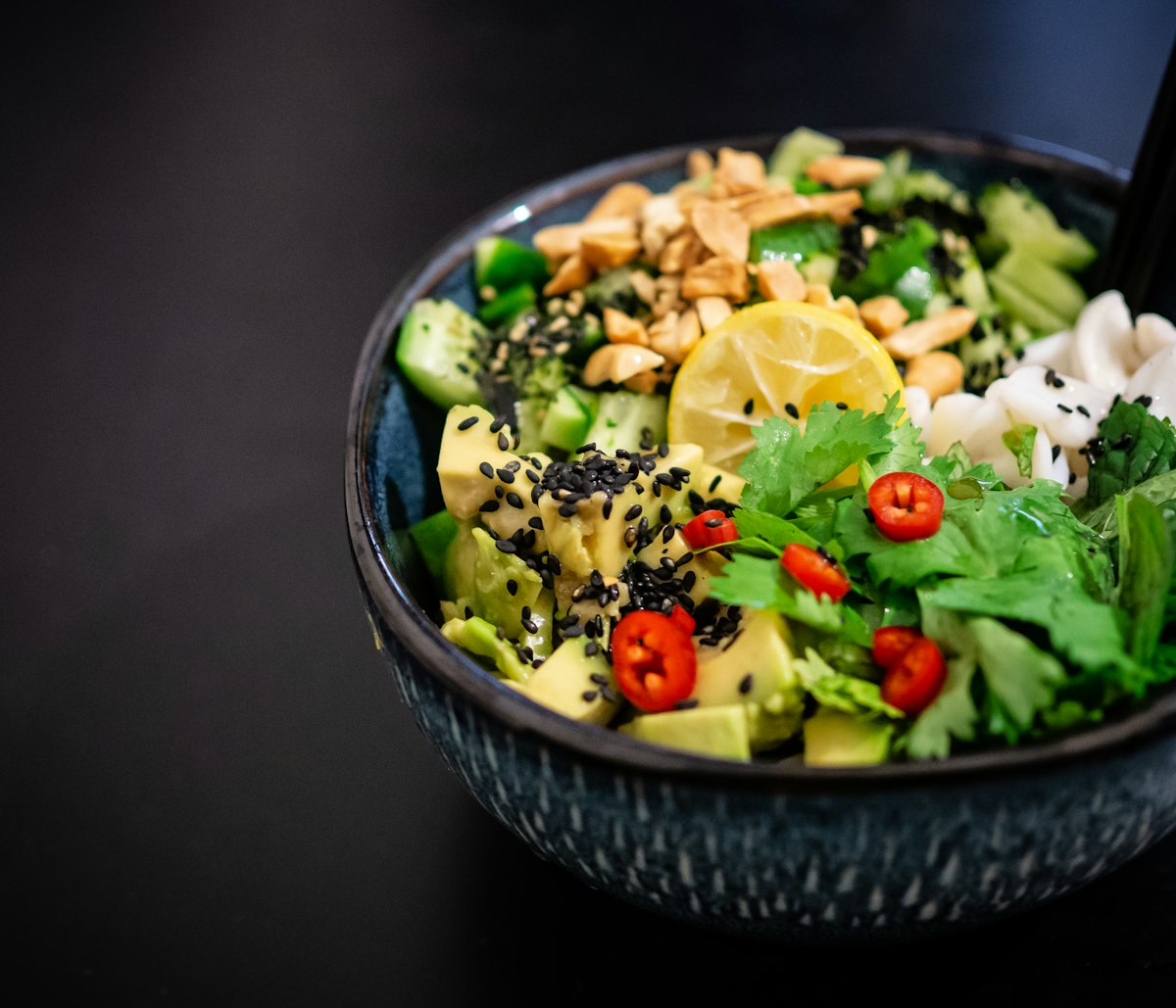
Ask someone who has recently cut back on meat where they get their protein, and the answer is often a shrug followed by one word: tofu. Tofu is a perfectly good food, but it is only one entry on a much longer list. The plant kingdom offers an impressive range of protein-containing foods, many of them already sitting in kitchen cupboards.
This article is a general tour of those foods. It explains how plant protein works, introduces legumes, grains, nuts, seeds and soy-based foods other than tofu, and gives some ideas for everyday meals. It is background reading, not personalised nutrition advice, and people with allergies, medical conditions or special dietary needs should consult a doctor or registered dietitian.
How plant protein works
Proteins are chains of amino acids, and the body needs twenty of them. Nine are called essential because the body cannot make them, so they must come from food. Animal foods generally contain all nine in useful proportions, which is why they are called complete proteins. Many plant foods contain all nine too, but in different amounts, and some are lower in one or two.
A long-standing idea held that plant foods had to be combined at the same meal to make a complete protein. Nutrition authorities now generally say that eating a variety of plant proteins across the day is enough for most people. Rice and beans, hummus and pita, or peanut butter on wholegrain toast are traditional pairings that taste good together, but they are not strictly required at a single sitting.
Lentils
Lentils are among the most versatile plant proteins. They come in green, brown, red, yellow and black varieties, and they cook far faster than dried beans because they do not need to be soaked. Red lentils break down into a creamy texture and suit soups and dals, while green and brown varieties hold their shape for salads and stews.
Besides protein, lentils contain fibre, iron, folate and potassium. They are inexpensive, store for a long time in the cupboard and absorb flavours well, which makes them a favourite in cuisines across India, the Middle East and the Mediterranean.
Chickpeas
Chickpeas, also called garbanzo beans, are the foundation of hummus, falafel and many curries and stews. They can be bought dried or canned, and a tin rinsed under cold water is one of the quickest sources of plant protein available.
Roasted chickpeas make a crunchy snack, and their cooking liquid, known as aquafaba, is used by bakers as an egg substitute. Chickpea flour is used in flatbreads, pancakes and fritters, offering a way to add protein to baked dishes.
Beans of every colour
Black beans, kidney beans, pinto beans, cannellini, borlotti and many others fall into the same family. Each has its own flavour and texture, and each contributes protein and fibre. They feature in chilli, burritos, soups, salads, dips and even brownies, where blended black beans can add moisture.
Dried beans need soaking and longer cooking, while canned beans are ready to use. Some people experience gas when they eat more beans, and increasing portions gradually, rinsing canned beans and cooking dried ones thoroughly are common ways to ease the transition.
Peas and edamame
Green peas contain more protein than many people realise, and they appear in everything from soups to pasta. Split peas become thick, hearty soups and stews. Edamame, the young green soybeans served steamed in their pods or shelled, make a snack with a satisfying chew and a good protein content.
Frozen peas and edamame are convenient pantry staples that cook in minutes. They can be thrown into stir-fries, rice dishes, salads and grain bowls to add colour and protein.
Tempeh, edamame and other soy foods
Soy appears in more forms than tofu. Tempeh is made by fermenting whole soybeans into a firm cake with a nutty flavour and a chewy texture. It can be sliced, marinated and grilled, crumbled into sauces or cubed for stir-fries. Because it is made from whole beans, it tends to be dense in protein and fibre.
Other soy foods include soy milk, which is a common dairy alternative, textured vegetable protein, miso paste and natto. Each has a distinct role in cooking, from the savoury depth of miso soup to the stickiness of natto, which is an acquired taste for many.
Seitan
Seitan is made from wheat gluten, the protein found in wheat, and has a texture often described as meaty. It is a popular ingredient in vegetarian and vegan cooking, appearing in sausages, strips and roasts. Because it is made from gluten, it is not suitable for people with coeliac disease or gluten sensitivity.
It can be bought ready made or prepared at home from vital wheat gluten, and it takes on seasonings readily. It is low in some amino acids, which is another reason variety across the day is considered helpful.
Quinoa and other whole grains
Quinoa is a seed cooked like a grain, and it contains all nine essential amino acids, which makes it unusual among plant foods. Other whole grains, such as oats, barley, farro, buckwheat, brown rice and millet, contribute smaller but meaningful amounts of protein, particularly when eaten in larger portions.
Oats deserve a special mention for breakfast. A bowl of porridge with milk or soy milk, seeds and nuts brings together several plant protein sources in a single meal.
Nuts and nut butters
Almonds, peanuts, pistachios, walnuts, cashews and others offer protein together with healthy fats, fibre and minerals. Peanuts are technically legumes but are treated as nuts in the kitchen. A small handful is a convenient snack, and nut butters spread on toast or stirred into oats make a quick addition.
Because nuts are energy-dense, portions tend to be modest, but they bring a lot of flavour and texture to dishes. They are also among the most common allergens, so people with allergies must avoid them entirely.
Seeds
Hemp seeds, pumpkin seeds, sunflower seeds, chia seeds, flaxseed and sesame seeds each add protein in small doses, along with omega-3 fats in the case of chia and flax. Hemp hearts are particularly protein-rich and have a mild, nutty taste that goes with salads, yogurt and smoothies.
A tablespoon or two sprinkled over meals adds up across a day. Tahini, a paste made from ground sesame seeds, appears in hummus and dressings and works as a spread.
Nutritional yeast and other pantry helpers
Nutritional yeast is a deactivated yeast sold as yellow flakes, with a savoury, slightly cheesy flavour. It contains protein and is often fortified with B vitamins, including B12. It is popular on popcorn, pasta, scrambled tofu and soups.
Other helpful pantry items include rolled oats, whole-grain pasta, which contains more protein than white pasta, and plant-based milks fortified with protein and calcium. Reading labels helps, since the protein content of plant milks varies widely between types.
Everyday meal ideas
Seeing how these foods fit into meals makes the list less abstract. A lentil and vegetable soup with wholegrain bread suits a cold evening. A burrito bowl with black beans, brown rice, corn, salsa and avocado works for lunch. Chickpea curry with spinach and rice can be made in one pot. A salad of quinoa, roasted vegetables, pumpkin seeds and a tahini dressing travels well, and a smoothie of soy milk, banana, peanut butter and oats makes a quick breakfast.
Snacks might include roasted chickpeas, edamame, a handful of mixed nuts, hummus with carrots, or a slice of rye bread with almond butter. Thinking in terms of familiar meals, rather than counting grams, makes the approach more natural.
Nutrients to keep in mind
People who eat mostly or entirely plant-based diets are often advised to pay attention to a few nutrients. Vitamin B12 is found mainly in animal foods and is typically supplied through fortified foods or supplements. Iron from plants is absorbed less readily than iron from meat, and pairing it with vitamin C-rich foods, such as peppers or citrus, helps. Calcium, iodine, zinc, vitamin D and omega-3 fats are also frequently discussed.
Individual needs vary, and a dietitian can review a particular diet and suggest adjustments. This is especially true for children, pregnant women and older adults.
Cooking basics for legumes
Dried legumes are inexpensive and flexible, and a few basic techniques make them easier to use. Most beans benefit from an overnight soak in plenty of water, which shortens cooking time and may make them easier to digest. After draining, they are simmered in fresh water until tender, which can take anywhere from forty-five minutes to well over an hour depending on the variety. Salt is often added toward the end, and a bay leaf, onion or garlic clove gives the cooking liquid flavour.
Pressure cookers shorten the process considerably, and slow cookers allow beans to cook unattended. Kidney beans in particular must be boiled thoroughly, since raw or undercooked ones contain a natural compound that can cause illness. Cooked beans freeze well in portions, ready to be dropped into soups and stews.
Reading labels on plant-based products
The supermarket now has an entire aisle of meat alternatives, from burgers and sausages to nuggets and mince. These products vary widely in their protein, salt, fat and fibre. Some are made from pea protein, others from soy, wheat or mycoprotein, and the ingredient lists can be long.
Checking the nutrition panel for protein per serving, salt content and added ingredients helps people decide how they fit into their overall diet. Many dietitians suggest treating processed alternatives as one option among many, alongside whole foods such as beans, lentils and nuts.
Protein powders from plants
Plant-based protein powders, made from peas, rice, hemp, soy or seeds, are popular with people who exercise or who want a convenient addition to smoothies. They are one tool among many, and are not needed by everyone. Some blends combine several sources to broaden the amino acid profile.
As with any supplement, reading the label for ingredients, sweeteners and serving sizes is worthwhile, and asking a pharmacist or doctor is sensible if there are health conditions or medications involved.
Eating plant protein on a budget
Many of the most useful plant proteins are also some of the most affordable foods in the shop. Dried beans, lentils, split peas, oats, rice and peanut butter cost relatively little per serving, and frozen vegetables and canned beans are convenient. Buying dry goods in larger bags, cooking in batches and freezing portions reduce cost and effort.
Seasonal vegetables and a few well-chosen spices, such as cumin, paprika, curry powder and chilli flakes, turn simple ingredients into varied meals. This is one reason legume-based dishes appear in so many traditional cuisines around the world.
Spices, sauces and flavour
Plant proteins shine when they are well seasoned. Cumin, coriander, smoked paprika, turmeric, garam masala and chilli turn lentils and chickpeas into something memorable. Fresh herbs, citrus juice, garlic, ginger and a splash of vinegar brighten beans, while soy sauce, miso and tomato paste add savoury depth. A drizzle of tahini or a spoonful of yogurt-based sauce adds richness.
Texture matters, too. Combining something soft, like mashed beans, with something crunchy, such as toasted seeds or roasted chickpeas, makes a plant-based plate more satisfying. Many cooks learn a few flexible sauces and use them across the week, which keeps meals interesting without much extra work.
Common questions about plant protein
Is plant protein as good as animal protein? Both can meet needs when the overall diet is varied and adequate in energy, though the details differ, and plant-based eaters often pay closer attention to a few nutrients. Do plant proteins cause digestive problems? Some people notice gas when they eat more legumes, and a gradual increase helps. Are processed meat alternatives healthy? They vary, and reading labels is a practical way to judge. How much is enough? That depends on the individual, and a dietitian can help work it out.
Family tables and mixed households
Many households include people with different eating patterns. A pot of chilli with beans can be served with grated cheese on the side, and a curry with chickpeas works for both vegetarian and omnivorous diners. Building meals around a shared base of grains, legumes and vegetables, then adding optional toppings, helps everyone eat together without extra cooking.
Bringing it together
Plant-based protein is far more varied than a single block of tofu suggests. Lentils, chickpeas, beans, peas, tempeh, seitan, quinoa, nuts, seeds and many other foods each contribute, and eating a range of them across the day is generally considered enough to meet needs. A common starting point is usually a familiar meal that happens to be plant-based, built from ingredients that are easy to find and pleasant to eat. For personalised questions, a registered dietitian or doctor is the right person to ask.
This article is for general information only and isn’t medical advice. Talk to a doctor or registered dietitian before making changes to your diet, especially if you have a health condition or take medication.