
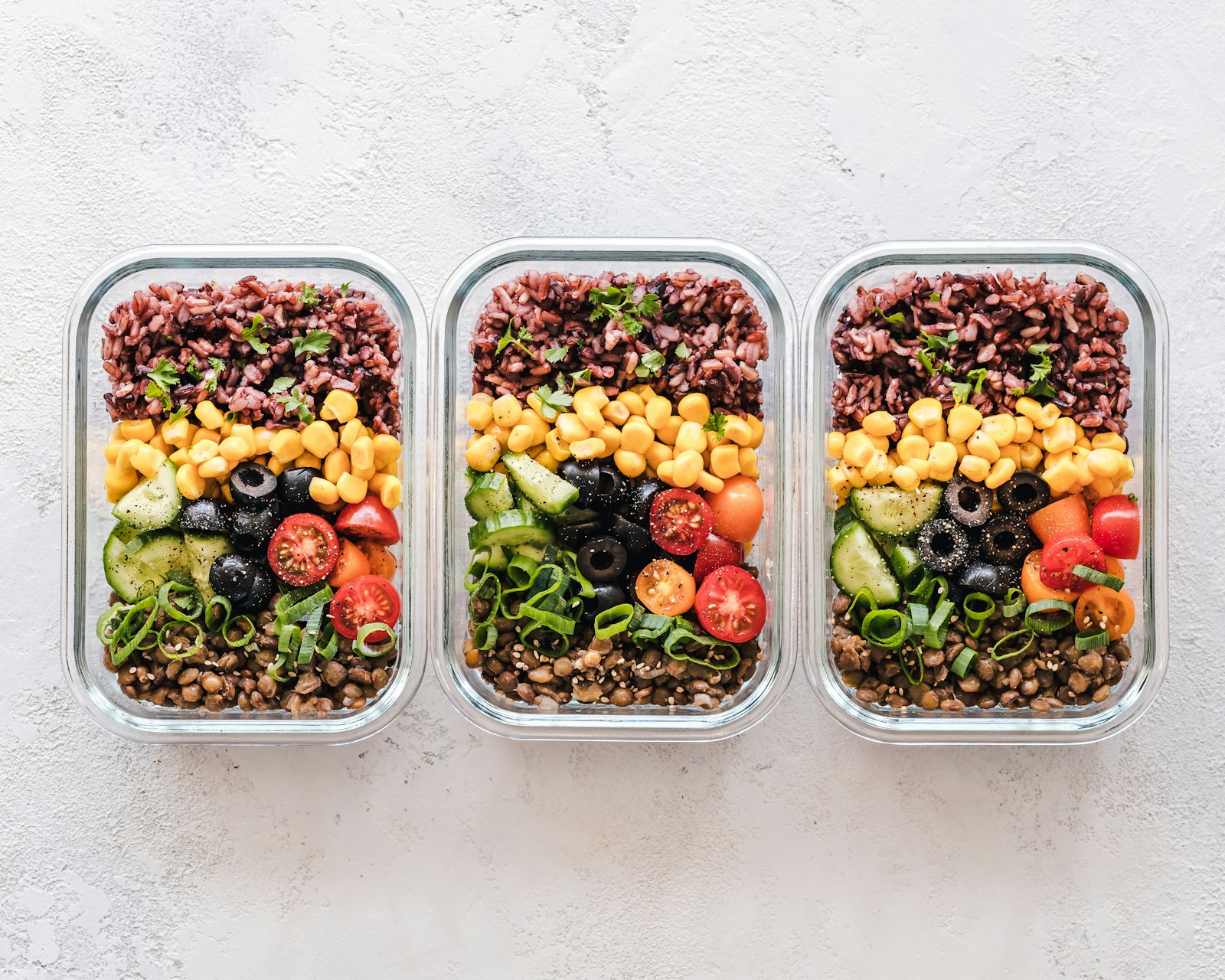
Between back-to-back meetings, long commutes and the general chaos of a packed calendar, cooking a fresh meal from scratch every day can feel like one more task that never fits. Many busy professionals respond by cooking in bulk once or twice a week, a habit known as meal prepping. It has become a staple topic in cooking blogs and office kitchens alike.
This article offers a general overview of the idea. It explains what meal prepping is, the main styles people use, the equipment that makes it easier, food-safety basics, and a number of practical habits that long-term preppers describe. It is background reading, not personal nutrition advice, and people with health conditions or special dietary needs should consult a professional.
What meal prepping really means
Meal prepping is simply preparing some or all of your food ahead of time. That can range from chopping vegetables on Sunday to cooking five complete lunches in matching containers. The unifying idea is shifting effort from a stressful weekday evening to a calmer, planned block of time.
There is no single correct method. Some people prefer a long cooking session, some prefer two short ones, and others prep only one component, such as grains or sauces, and assemble the rest fresh each day. The right version is generally the one that matches a person's schedule, tastes and storage space.
Why professionals turn to it
People who prep regularly mention several motivations. A ready meal removes the daily question of what to eat, which is a surprisingly tiring decision when other decisions have already been made. It reduces the pull of last-minute takeaway orders when hunger and fatigue collide. And it gives a sense of control over ingredients, portions and flavours.
There is also the matter of time. Cooking and washing up once can take less total time than cooking several times, particularly when a single pot or tray handles multiple portions. For many households, the weekly time saved is a significant attraction.
Main styles of meal prep
Four approaches show up repeatedly:
- Full meals in containers: complete portions, such as chicken, rice and roasted vegetables, divided into boxes for the week
- Batch cooking: large pots of soup, chilli, curry or pasta sauce divided into portions and refrigerated or frozen
- Ingredient prep: cooked grains, roasted vegetables, boiled eggs, washed greens and sauces stored separately and mixed freshly
- Grab-and-go assembly: snack boxes, overnight oats, yogurt jars, wraps and sandwiches prepared ahead
Combining styles is common. Someone might batch-cook a soup, prep a grain and a tray of vegetables, and assemble breakfast jars in the same session.
Planning the week
Planning is the part of meal prep that rarely appears in glossy photographs, but most experienced preppers say it is the foundation. A simple plan usually starts by looking at the calendar: which days have dinners out, which are unusually busy and which leave time for cooking. Then comes a short list of meals to cover, followed by a shopping list organised by section of the shop.
Many people keep a rotating set of recipes so that planning takes minutes rather than an hour. Others theme their days, with a grain bowl on one day, a soup on another and a sheet-pan dinner on a third. Themes reduce decision effort while still allowing variation.
Equipment that makes it easier
A short list of equipment goes a long way. Good airtight containers, in glass or sturdy plastic, are the most important, preferably in a few sizes and with lids that stack neatly. Sheet pans allow vegetables and proteins to roast in bulk, and a large pot handles soups, grains and legumes. A sharp knife and a large chopping board save time on every task.
Some people enjoy slow cookers, pressure cookers or rice cookers, which allow food to cook without constant attention. Labels and a marker, or masking tape, help track dates. None of these items is mandatory, and many people begin with whatever they already own.
Building balanced containers
Nutrition writers often describe a simple template for assembling a meal: a portion of protein, a generous serving of vegetables, a portion of whole grains or starchy vegetables, and a source of healthy fat or flavour such as olive oil, nuts or avocado. The proportions can be adjusted for appetite and activity levels.
Colour and texture also matter. A box of beige food can be dull by the third day, while one with crunchy peppers, leafy greens, pickled onions or a bright sauce stays appealing. Keeping sauces and dressings in separate small containers helps crisp ingredients stay crisp.
Food safety basics
Cooking ahead involves some food-safety awareness. General guidance from food-safety authorities includes cooling cooked food promptly and getting it into the refrigerator rather than leaving it at room temperature for long periods, using shallow containers so heat escapes quickly, keeping the refrigerator at a suitably cold temperature and reheating food until it is steaming hot throughout.
Typical storage advice suggests that many cooked dishes keep for a few days in the refrigerator, and that freezing suits longer storage. Rice and certain other starchy foods deserve particular attention, since they should be cooled quickly and stored properly. Local authorities publish precise timings, which are worth consulting. When in doubt, throwing food out is safer than risking illness.
Making food taste good on day four
The most common complaint about meal prep is that the food becomes boring or soggy. Experienced preppers have several strategies. They prep sauces, dressings and toppings separately so that flavour can be refreshed. They choose foods that keep well, such as roasted root vegetables, grains, legumes and braises, and leave delicate items such as fresh herbs, avocado and leafy greens for the day of eating.
Spice blends, pickles, fresh lemon or lime juice and a sprinkling of seeds or nuts can transform leftovers. Alternating cuisines across the week, such as a Mexican-inspired bowl followed by a Mediterranean one, keeps interest high.
Prepping breakfasts and snacks
Lunch and dinner receive most of the attention, but mornings and mid-afternoons are often where plans fall apart. Overnight oats, chia puddings, egg muffins, breakfast burritos and yogurt parfaits all store well and can be eaten cold or reheated. Snacks such as cut vegetables with hummus, fruit, nuts and boiled eggs travel easily.
Having ready snacks is particularly useful for people who work long hours, because it provides an alternative to vending machines. Portioning them into small containers also takes away the temptation to eat straight from the bag.
Meal prep on a small budget or in a small kitchen
Cooking in bulk can make it easier to buy ingredients in larger quantities, such as dried beans, grains and seasonal vegetables, which are widely available. Frozen vegetables are convenient and nutritious, and stock cubes and spices add flavour without much expense.
A small kitchen limits equipment and space, but it does not rule out prepping. Many people cook in two shorter sessions rather than one large one, use one pot or one tray at a time and rely on a few well-chosen containers. Stackable lids and flat-lay storage make small refrigerators more manageable.
Setting aside the time
Most people who prep reserve a regular window, often Sunday afternoon or an evening mid-week, and treat it as a routine rather than an occasional project. Music, a podcast or a call with a friend can make the time pass pleasantly. Cleaning as you go keeps the kitchen from becoming overwhelming, and having a clear order of operations, such as starting the longest-cooking items first, makes the session efficient.
A realistic expectation is helpful. A first session may take longer than expected, and the process usually becomes faster as habits settle. Starting with just two or three lunches, rather than a whole week of every meal, is a gentle way to begin.
When meal prep is not the right fit
Not everyone enjoys eating the same foods several days in a row, and some people find the weekly cooking block hard to maintain. Others have appetites or schedules that change too quickly for planned meals. In these cases, partial prepping, such as keeping washed greens, cooked grains and a few sauces on hand, offers many of the benefits without rigid planning.
It is also worth recognising that people with allergies, medical conditions, or a history of difficult relationships with food may need a different approach. A dietitian can help tailor planning to individual needs.
A sample Sunday prep session
To picture how a session flows, it helps to walk through one. This is only an illustration of the order in which many people work, not a fixed schedule:
- Start the longest-cooking items first, such as a tray of root vegetables in the oven and a pot of rice or quinoa on the hob
- While those cook, wash and chop salad vegetables and herbs, and boil a handful of eggs
- Season and bake a tray of chicken, tofu or salmon alongside the vegetables
- Stir together two or three sauces, such as a yogurt dressing, a lemon-tahini sauce and a quick tomato salsa
- Assemble overnight oats or yogurt jars while everything cools
- Portion everything into containers once it has cooled, label them and stack them in the refrigerator
An hour and a half to two hours is a common estimate for this kind of session, though it depends on experience and the number of meals involved.
Freezer-friendly foods
The freezer can be an ally for people who do not want to eat the same dish all week. Soups, stews, chilli, curries, cooked beans, meatballs, burritos, muffins and pancakes all freeze well. Cooling food before freezing, using flat freezer bags that stack neatly and writing the date on each package make the system easy to manage.
Defrosting overnight in the refrigerator is generally the recommended method, and reheated food should be steaming hot throughout. Foods with a high water content, such as lettuce or cucumber, do not freeze well, which is a reminder to keep fresh components separate.
Involving the household
Meal prepping does not have to be a solo project. Partners and housemates can share the work, each taking a recipe or a task. Children can wash vegetables, stir sauces or help choose recipes, which often makes them more interested in eating the results.
Some families set a weekly "food meeting" of ten minutes in which everyone suggests a meal. Sharing the planning also helps ensure that the food prepared is something everyone will actually eat, which reduces waste.
Reducing waste
Planning ahead can reduce the quantity of food thrown away. Writing a shopping list from a plan, checking the refrigerator before buying and using ingredients across several recipes all help. Leftover vegetables can become soup, stale bread becomes breadcrumbs or croutons, and ripe fruit goes into smoothies or baking.
Labelling containers with dates helps prevent items from being forgotten at the back of the shelf, and rotating older items to the front is a habit borrowed from professional kitchens.
Questions people ask about meal prepping
Does everything have to be eaten within a few days? Not necessarily, since freezing extends the life of many dishes, but fresh items such as salads and cut fruit are eaten sooner. Is it expensive to start? Containers are the main outlay, and many people reuse jars and tubs they already own. Can it work with a flexible schedule? Many preppers cook only two or three components per week and combine them differently each day, which leaves room for spontaneous plans. What if someone gets bored? Rotating recipes monthly, borrowing ideas from other cuisines and keeping sauces fresh all help, and nobody is obliged to keep going when the habit stops being useful.
Keeping it enjoyable over the long term
The habit lasts longest when it stays pleasant. Many people choose one new recipe a week to keep their curiosity alive, shop at a market they enjoy or listen to a favourite playlist while they cook. Eating a freshly prepared meal on the first day of the week, rather than only reheated food, adds a little ceremony. If a week is too busy, buying a rotisserie chicken, a bag of salad and a loaf of good bread counts as perfectly respectable preparation, and the routine can resume the following week.
Bringing it together
Meal prepping is a flexible set of habits rather than a formula. At its simplest, it means moving some of the effort of cooking to a calmer time, using a template for balanced meals, storing food safely and keeping flavours interesting. Whether that means a fully portioned set of lunches or a few prepared ingredients, the approach can fit around demanding schedules without requiring culinary expertise. A relaxed start, a small repertoire of favourite recipes and a few good containers are often enough to begin.
This article is for general information only and isn’t medical advice. Talk to a doctor or registered dietitian before making changes to your diet, especially if you have a health condition or take medication.