
The hour after a workout is surrounded by folklore. Gym lockers are full of shaker bottles, snack bars and advice about a mysterious window in which nutrition supposedly matters more than at any other time. The reality is calmer and more flexible than the mythology suggests, but there is genuine science behind why food and drink matter after exercise.
This article offers a general overview of post-workout nutrition. It describes what happens in the body after activity, the roles of protein, carbohydrate, fat and fluids, popular food choices and a few common misconceptions. It is informational only. Athletes, people with medical conditions and anyone with specific goals should consult a doctor or registered sports dietitian.
What happens during and after exercise
Exercise places demands on the body. Muscles use stored carbohydrate, called glycogen, as fuel, particularly during longer or more intense sessions. Resistance training causes tiny disruptions in muscle fibres, and repairing them is part of how muscles adapt. Sweating removes water and small amounts of minerals, and the heart and lungs work harder.
Afterwards, the body begins a recovery process: replenishing glycogen, repairing and building muscle protein, restoring fluid balance and bringing hormones and the nervous system back toward baseline. Sleep, food and rest all contribute to this process, which unfolds over hours and days.
Protein and muscle repair
Protein supplies the amino acids that muscles use for repair and growth. Sports nutrition research suggests that eating protein after resistance exercise supports muscle protein synthesis, and many guidelines mention a moderate serving, often described in the range of twenty to thirty grams, for many adults. Needs differ with body size, age and goals.
Protein does not need to come from a powder. Eggs, dairy products, poultry, fish, lean meat, tofu, tempeh, beans and lentils all qualify. Some people prefer a smoothie with milk and protein powder because it is easy to drink when appetite is low after training, while others enjoy a full meal.
Carbohydrate and refuelling
Carbohydrate refills the glycogen stores that exercise depletes. How much matters depends on the type and amount of activity. Someone who takes a gentle walk or a short strength session may not need to think about it, because ordinary meals restore glycogen over the following day. Endurance athletes training hard, sometimes more than once a day, benefit from paying more attention to timing and quantity.
Foods such as rice, potatoes, oats, pasta, bread, fruit and starchy vegetables provide carbohydrate. Pairing it with protein is a common pattern in recovery meals, such as chicken with rice or yogurt with fruit and granola.
Fat after exercise
Fat is not forbidden after a workout, though it slows digestion, which can matter if someone needs to refuel quickly before another session. For most people, a post-exercise meal with a moderate amount of fat from foods such as avocado, nuts, olive oil or fish is perfectly fine and contributes to overall nutrition and satisfaction.
Fluids and electrolytes
Replacing fluids is a central part of recovery. Plain water suits many workouts. After long or very sweaty sessions, especially in heat, sodium and other electrolytes lost in sweat may need replacement, and some people use electrolyte drinks or mixes, or simply add a salty snack and a glass of water.
Weighing before and after exercise is a technique used by some athletes to estimate fluid loss, and a common reference suggests drinking some extra fluid for each unit of weight lost. Casual exercisers can usually rely on thirst and the colour of urine as a rough guide.
Is there an anabolic window?
Fitness lore says muscles must be fed within thirty minutes after training or the benefits will vanish. More recent research suggests the window is wider than once thought, and that total daily intake of protein and energy matters more than exact timing. People who train fasted, or who go many hours without eating around exercise, may benefit from a post-workout meal sooner, but for most, eating within a couple of hours is a sensible and relaxed target.
Easy post-workout foods
Many people choose familiar foods rather than specialist products. Examples include:
- Greek yogurt with berries and a drizzle of honey
- A banana and a handful of nuts with a glass of milk
- Scrambled eggs on wholegrain toast
- A chicken and vegetable rice bowl
- Chocolate milk, a traditional recovery drink popular in sports circles
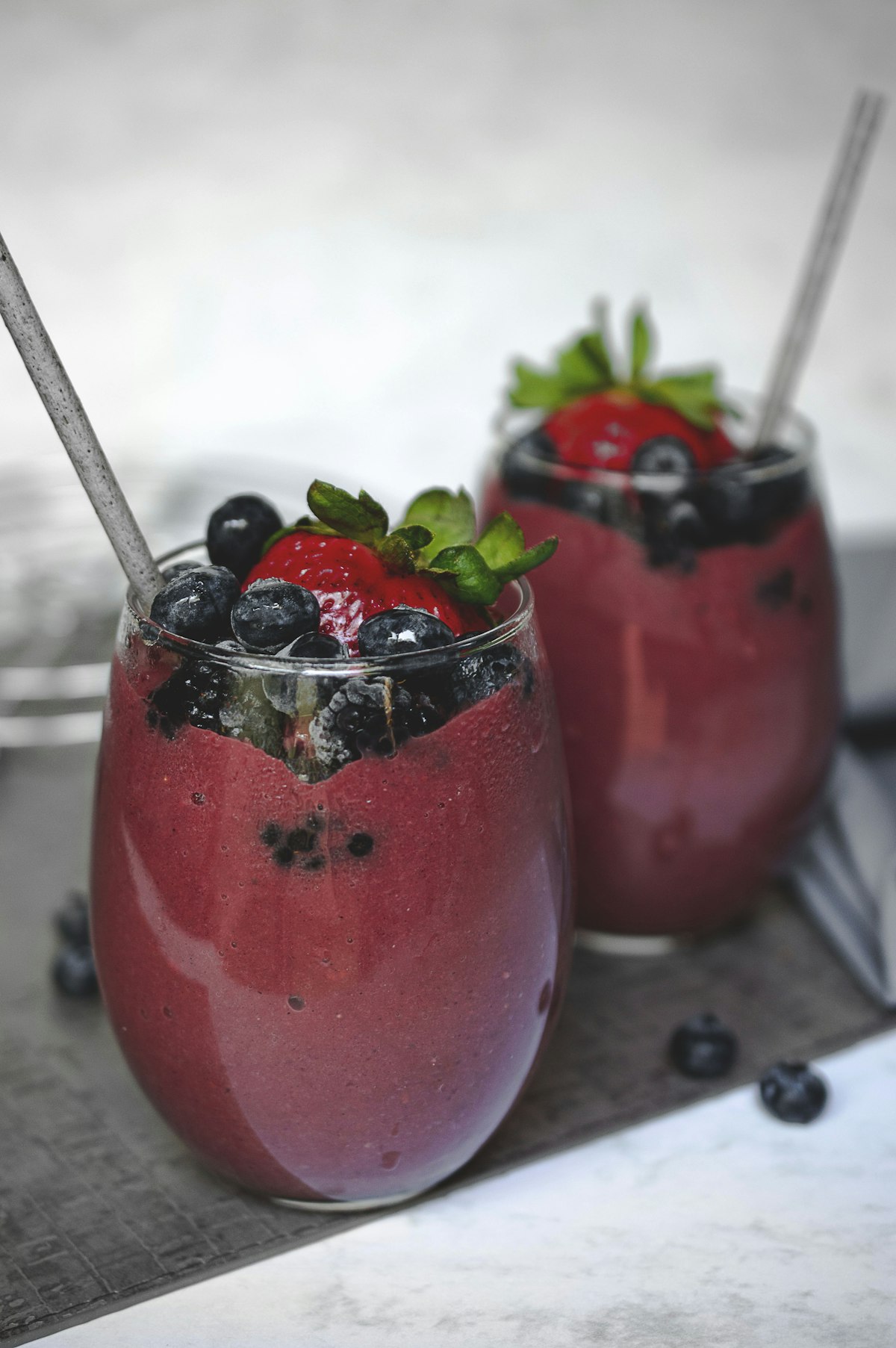
- A smoothie with fruit, oats, milk and a spoonful of nut butter
- Hummus and wholegrain pita with raw vegetables
Choices depend on appetite, time of day, cultural preference and whether a meal is coming soon. If dinner is an hour away, a small snack may be enough.
Supplements and powders
Protein powders, amino acid products, creatine, electrolyte mixes and meal-replacement shakes are widely sold to people who exercise. They are tools, not requirements, and quality and ingredients differ between products. Reading labels carefully, looking at third-party testing information when available and asking a pharmacist or doctor about interactions are sensible steps.
Athletes who are subject to anti-doping rules need to check that products are compliant. Anyone who is pregnant, has kidney problems or takes medication should consult a professional before starting a supplement.
Different kinds of workouts
Recovery needs vary with the activity. After a yoga class or an easy walk, a normal meal is enough. After a hard resistance session, a protein-containing meal supports repair. After a long run or ride, carbohydrate and fluid become more prominent. After a team sport in warm weather, hydration and electrolytes take centre stage.
Matching nutrition to the demands of the day, rather than applying a single template, is the principle sports dietitians often describe.
Sleep, rest and everything else
Food is only one ingredient of recovery. Sleep is when much of the repair work happens, and consistently short nights can blunt the effects of training. Rest days, stress management and gentle movement also matter. Some people include light stretching, foam rolling or a warm bath as part of their routine.
It can be tempting to hunt for a nutritional shortcut when the real gains come from regular activity, adequate food overall and enough rest.
Appetite after exercise
Appetite responds to exercise in different ways. Some people feel ravenous, while others lose their appetite for an hour or two, particularly after intense or hot sessions. Neither is unusual. Cold, refreshing foods such as smoothies, yogurt or fruit may be easier when appetite is low, and a larger meal can follow later.
Common misconceptions
A few ideas persist despite limited support. One is that more protein is always useful, whereas the body can use only so much at once and excess does not translate into extra muscle. Another is that sports drinks are needed after every workout, when water and a normal meal suit most sessions. A third is that eating after exercise cancels the calories burned, which overlooks the fact that recovery is a valid and important part of the process.
Eating around different times of day
When someone exercises changes how recovery fits into the day. Morning exercisers who train before breakfast often follow the session with their first meal, which then serves both as breakfast and as recovery food. Lunchtime exercisers may find that their next meal is the natural recovery meal. Evening exercisers sometimes prefer a lighter option, because a very large meal close to bedtime can interfere with sleep for some people.
In each case, the practical question is simply what a person feels like eating, how soon the next meal is and what they have available. Planning a few easy options at home or in a gym bag helps avoid decisions made when hungry.
Plant-based athletes
People who eat mainly plant foods can recover well with a thoughtful choice of ingredients. Soy milk, tofu, tempeh, lentils, chickpeas, quinoa, nuts, seeds and plant-based protein powders can all contribute, and combining several sources across the day supports a broad amino acid intake. Some vegan athletes pay particular attention to vitamin B12, iron, zinc, calcium, vitamin D and omega-3 fats.
A registered sports dietitian experienced in plant-based eating can review a diet and suggest adjustments, and this is especially helpful for growing athletes.
Young athletes and older adults
Children and teenagers who play sports have needs shaped by growth as well as activity. General guidance emphasises regular meals, enough energy and plenty of fluids, with an emphasis on food rather than supplements. Parents and coaches are often advised to be cautious about products marketed to young people and to involve a paediatrician or dietitian if there are concerns.
Older adults, meanwhile, may need a little more protein per meal to support muscle maintenance, and appetite can be smaller. Recovery foods that are easy to eat, such as yogurt, soft eggs, soups and smoothies, are popular. Again, personal medical advice should lead.
Practical habits for busy days
A few habits help recovery fit into real life. Keeping a snack in the gym bag, such as a banana, nut packet or protein-containing bar, avoids long waits. Preparing a recovery smoothie base in advance, or cooking a batch of grains and protein at the weekend, reduces effort. Drinking water throughout the day, not only after exercise, means the body starts the session in good condition.
None of these habits needs to be perfect. Consistency across weeks tends to matter far more than precision on any single afternoon.
Gentle reminders about balance
The attention paid to post-workout nutrition can sometimes make it seem more complicated than it is. For most people who exercise a few times a week at a moderate level, a regular pattern of balanced meals, enough water and decent sleep covers recovery well. Specialised products and precise timing are most relevant to people training intensively or competing. Treating food as something to enjoy, and exercise as something that supports wellbeing, keeps both in a healthy perspective.
Listening to the body
Hunger, thirst, fatigue and soreness are signals worth noticing. Some muscle soreness after unfamiliar exercise is normal, but sharp pain, swelling or soreness that lasts many days is a reason to seek medical advice. Persistent tiredness, repeated injuries or changes in appetite and mood can indicate that training load or nutrition needs attention. A doctor or sports medicine professional can help look into these signs.
Alcohol, caffeine and recovery
Two familiar items often come up in discussions of recovery. Alcohol after exercise can interfere with rehydration and may affect sleep and muscle repair, which is why sports dietitians tend to suggest moderation, particularly after hard training. Caffeine is widely used before exercise, and some people enjoy a coffee afterwards too, which counts toward fluids in ordinary amounts. Individuals differ in how they respond, and anyone sensitive to caffeine or who has a medical condition may prefer to avoid it late in the day, when it can disturb sleep.
Cooking and shopping for recovery
Having suitable foods in the house makes recovery meals easy. A cupboard stocked with oats, rice, tinned beans and tuna, along with a refrigerator holding eggs, yogurt, milk and vegetables, covers most needs. Frozen fruit, vegetables and fish are useful standbys. Cooking larger portions at dinner and keeping the extra for the next day's meal after training is a habit many active people adopt, because it removes the need to start from scratch when tired.
Sports nutrition does not demand a special diet or special equipment. It is mostly ordinary food, chosen with a little thought and eaten at times that suit the body and the day.
Keeping perspective on supplements and gadgets
The sports nutrition market is large and constantly introduces new products, from recovery gels to ready-to-drink shakes. It can be helpful to remember that these are conveniences rather than necessities. A bowl of porridge with milk and fruit, a sandwich with eggs and salad, or leftover curry with rice all serve the same purposes at lower complexity. When a product does appeal, reading the ingredient list, noting the serving size and asking a pharmacist or doctor about suitability keeps choices grounded in information rather than advertising.
Bringing it together
Post-workout nutrition does not have to be complicated. The body benefits from protein for repair, carbohydrate for refuelling, fluids for rehydration and a normal, varied diet overall. The timing is more flexible than slogans suggest, and ordinary foods do the job for most people. Those with particular performance goals, medical conditions or dietary restrictions should look to a doctor or registered dietitian for personal advice.
This article is for general information only and isn’t medical advice. Talk to a doctor or registered dietitian before making changes to your diet, especially if you have a health condition or take medication.